
Installing Iron Bollards for Pedestrian Safety: Best Practices
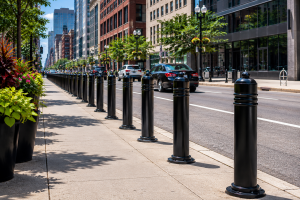
Iron Bollards are a crucial safety feature in modern urban infrastructure, designed to protect pedestrians from vehicle intrusion and improve overall public safety. When properly installed, they create strong physical barriers that help guide traffic and secure high-risk pedestrian zones.
In cities with heavy traffic flow like Chicago, iron bollards play an essential role in separating vehicles from pedestrian pathways and reducing accident risks.
Why Iron Bollards Are Important
The main purpose of Iron Bollards is to provide a physical barrier that enhances pedestrian protection. These structures are commonly used in sidewalks, commercial entrances, public plazas, and transportation hubs.
They help prevent accidental or intentional vehicle entry into pedestrian zones, significantly improving urban safety conditions.
- Prevents vehicle intrusion
- Improves pedestrian safety
- Enhances traffic control
- Protects public spaces
Site Assessment and Planning
Before installing Iron Bollards, a detailed site evaluation is necessary. This process identifies high-risk zones where pedestrian protection is most needed.
Areas such as busy sidewalks, building entrances, parking edges, and public gathering spaces should be carefully analyzed before installation begins.
Proper planning ensures optimal placement and maximum safety performance.
Proper Placement and Alignment
One of the most important factors in Iron Bollards installation is correct placement. Bollards must be installed at strategic intervals to form a continuous protective barrier.
They should be aligned evenly to maintain both functionality and visual consistency while ensuring no gaps allow vehicle access.
- Consistent spacing between bollards
- Clear pedestrian pathway separation
- Strategic placement near entry points
Material Selection and Durability
The durability of Iron Bollards depends heavily on the material used. Most bollards are made from steel or cast iron due to their high impact resistance and long-term durability.
These materials are designed to withstand collisions, harsh weather conditions, and continuous outdoor exposure.
In urban environments, corrosion-resistant coatings are also essential to extend lifespan and reduce maintenance needs.
Accessibility Considerations
When installing Iron Bollards, accessibility must always be considered. Proper spacing is required to allow wheelchair access while still maintaining safety barriers.
This ensures compliance with safety regulations and supports inclusive urban design.
Maintenance and Inspection
Regular maintenance is critical for the long-term performance of Iron Bollards. Routine inspections help identify issues such as rust, structural damage, or loosening over time.
Early detection allows for quick repairs and ensures continuous pedestrian protection.
- Check for corrosion or rust
- Inspect structural stability
- Reapply protective coatings when needed
Urban Safety and Long-Term Benefits
Properly installed Iron Bollards significantly improve urban safety by reducing the risk of accidents between vehicles and pedestrians. They also help define traffic flow and protect vulnerable areas.
In addition, they enhance the visual organization of public spaces while providing strong functional protection.
Conclusion
Iron Bollards are an essential component of modern pedestrian safety systems. When installed with proper planning, correct placement, durable materials, and consistent maintenance, they provide long-lasting protection in urban environments.
Following best installation practices ensures safer streets, better traffic control, and improved protection for pedestrians in busy city areas.