-
Do I Need a Fence Permit in Highland Park, IL?
Yes. Fence work is reviewed by the City of Highland Park Department of Community Development, Building Division, and a submittal typically needs a signed exterior permit application, a plat of survey marked with proposed fences, gates, structures and trees, plus a scope of work that lists materials, heights and gates. Osceola Fence helps prepare those project details so the review is not held up by missing paperwork, while final approval and current requirements stay with the City. Check the official fence permit requirements before ordering materials.
-
What Fence Height Limits Apply to Highland Park Properties?
Most fence installations are limited to a maximum height of 6 feet, while fences inside a required front yard are limited to 4 feet, with the exact detail depending on zoning classification. Because the limit follows where the fence sits on the lot, the height is confirmed before a design is finalized — the same permit sheet spells it out. We measure each proposed run against those limits during the estimate.
-
How Much Visual Clearance Is Required Near Driveways and Intersections?
Driveway and intersection visual clearance areas are limited to 3 feet under City Ordinance 150.808(H), which keeps sightlines open for drivers and pedestrians. That caps how tall a fence can be in those zones, so the layout is adjusted rather than installed and corrected later. We mark those areas on the plan before quoting.
-
Which Side of the Fence Must Face My Neighbor?
The finished side of a fence must face outward toward neighbors. It changes post placement, panel orientation and how the run reads from the street, so it is settled at design time instead of on install day. We build the orientation into the layout from the start.
-
Can I Use Barbed Wire or an Electric Fence Around My Home?
Residential fences may not use barbed wire or electrically charged fencing. For a home perimeter, security comes from material choice, height within the allowed limit, and how gates are controlled. We recommend options that stay inside those rules during the estimate.
-
Does JULIE Illinois 811 Need to Mark Utilities Before You Dig?
Post holes mean digging, so the JULIE Illinois 811 locate step happens before installation and the markings should be confirmed before work starts. Private lines on the property, such as runs to a detached garage or irrigation, may need separate locating. Handling this early avoids damaged lines and stalled schedules.
-
How Are Fence Posts Handled Under Trees and Driplines?
Under tree driplines, post holes must be hand dug, and no heavy equipment or material storage is allowed in those areas. A tree preservation or removal permit may also apply when a run crosses protected trees. We plan the layout around root zones so the submittal stays clean.
-
What Fence Material Holds Up Best to North Shore Winters?
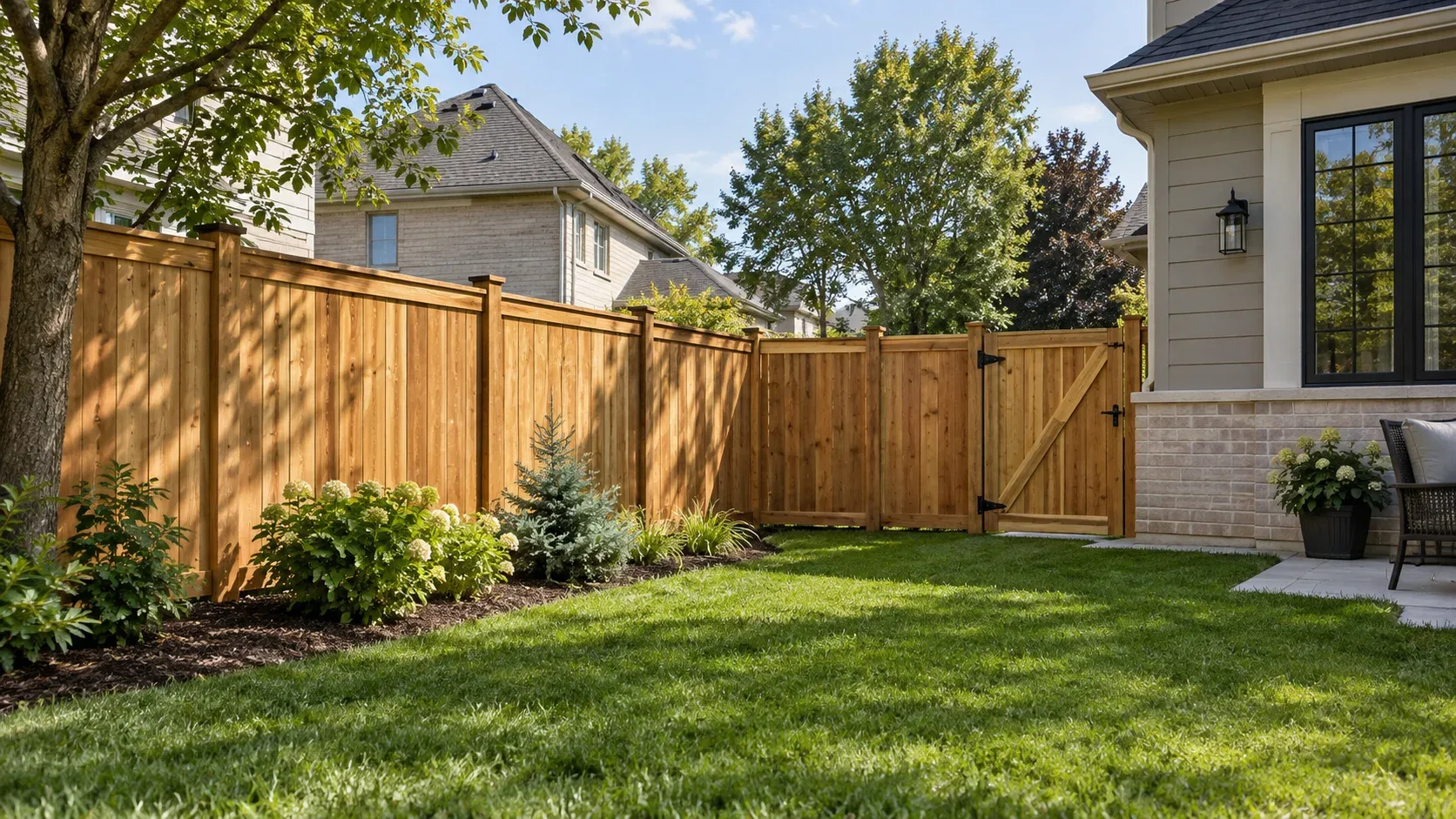
Freeze-thaw cycles, snow, wind and road salt stress every fence, so the answer depends on how much maintenance you want to take on. Steel and aluminum hold strength and clean sightlines, vinyl and composite cut routine painting, wood gives warmth and privacy with more upkeep, and chain link stays practical for boundaries. We compare those trade-offs against your exposure, use of the yard and budget.
-
How Do Automatic Security Gates Improve Access Control?
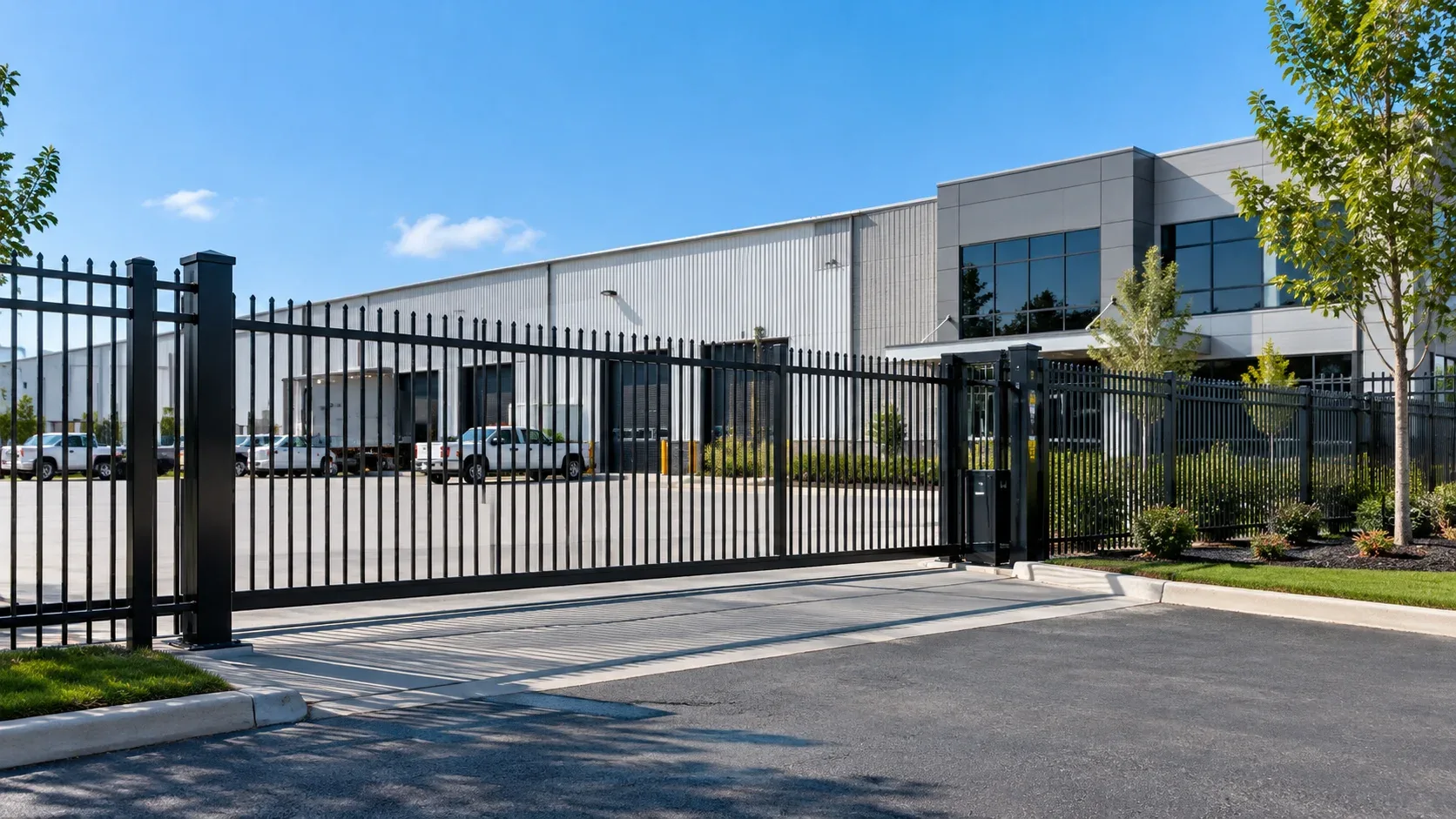
A gate decides who drives in, when, and how visitors announce themselves, which matters for gated drives, private yards and business entrances. Swing versus sliding depends on slope, turning room and space beside the opening, and the operator needs power plus a control method such as a keypad, remote or intercom. Our in-house iron fabrication lets us match the gate to the surrounding fence and hardware.
-
Do You Install Fencing for Commercial and Industrial Properties?
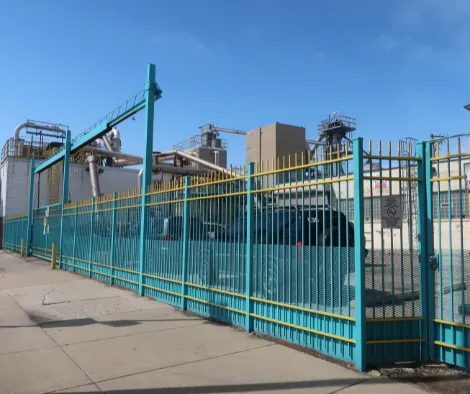
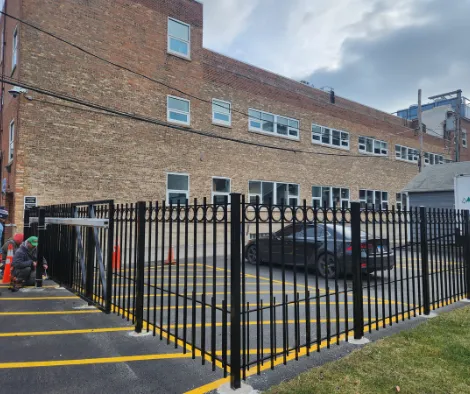
Yes — commercial and industrial sites sit in the same scope as residential work, using chain link, steel, commercial aluminum and automatic gates for perimeter security, screening and controlled access. Truck turning, loading zones, emergency access and visibility shape the layout more than appearance does. Both audiences are handled by the same Fence Contractor team, with requirements confirmed by the reviewing authority before the design is final.
-
Should I Repair My Existing Fence or Replace It?
Repair usually wins when damage is isolated — a few posts, a sagging gate, or one storm-damaged section. Replacement makes more sense when posts are failing at the base, several runs are deteriorating, or the current design no longer fits how the property is used. The on-site visit settles it with photos and measurements, and you get a written scope either way.
-
What Factors Affect the Cost of Fence Installation?
Pricing depends on material, linear footage, height, gate count, access to the work area, removal of an existing fence and any custom fabrication. Site conditions such as slope, root zones and hand digging under driplines affect labor as well. A written on-site estimate based on your property controls final pricing; published figures are planning guidance only.
-
How Do You Plan Fence Placement Around Property Lines and Drainage?
The fence line follows the surveyed boundary, not a mowing line or a neighbor's assumption, and the plat of survey is already part of the permit submittal. Easements, utility corridors and drainage paths are checked so water flow and access are not blocked. Confirm any easement restriction with the City before the layout is locked in.
-
What Should I Prepare for a Free On-Site Estimate?
Have your property type, material preference, approximate linear footage, gate or access-control needs and timeline ready, plus photos if the fence line is hard to see. We measure the property, review layout and permit considerations, and leave you with a written scope. Call +17732784762 for residential or +17734173107 for commercial and industrial work, or send the request through the contact page.
 Skip to content