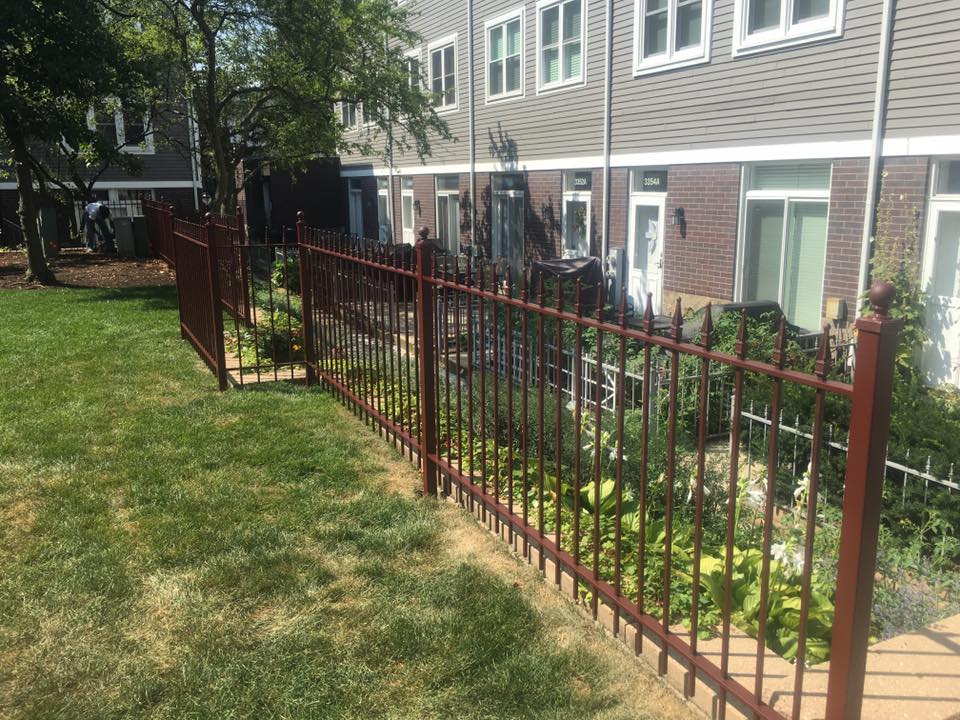
How Snow Affects Your Iron Fence Chicago Installations

Iron Fence Chicago installations are known for their strength and durability, especially in harsh weather conditions. However, even the strongest iron fences can be affected by heavy snow, ice buildup, and winter moisture if they are not properly maintained.
Understanding how snow impacts your fencing system is essential for preventing long-term damage and preserving both security and appearance.
Why Winter Conditions Matter for Iron Fence Chicago Systems
Chicago winters are known for heavy snowfall, freezing temperatures, and constant freeze-thaw cycles. These conditions can put stress on any outdoor structure, including iron fences.
While Iron Fence Chicago systems are built for durability, prolonged exposure to snow and ice can still lead to corrosion and mechanical issues if maintenance is ignored.
- Freeze-thaw expansion damage
- Moisture accumulation
- Rust formation risk
- Structural strain from heavy snow
Snow Buildup and Rust Formation
One of the most common issues affecting Iron Fence Chicago systems during winter is rust development caused by trapped moisture. When snow accumulates on and around iron surfaces, it eventually melts and seeps into small joints or scratches.
As temperatures drop again, this moisture freezes, expanding inside cracks and accelerating corrosion over time.
Regular snow removal is essential to reduce exposure and prevent long-term deterioration.
Impact of Snow Weight on Fence Structure
Heavy snow buildup can place additional pressure on iron fences, especially decorative or extended-height designs. Although Iron Fence Chicago systems are engineered for strength, excessive weight over time can cause bending or misalignment.
This is especially important in areas where snow drifts accumulate against fences or gates.
Gate Track and Mechanism Issues
If your Iron Fence Chicago system includes gates, winter weather can also affect their functionality. Snow and ice can block sliding tracks or freeze hinges, making gates difficult or impossible to operate.
This is a common issue in automated gate systems where mechanical components require clear movement paths.
- Frozen gate hinges
- Blocked sliding tracks
- Motor strain in automatic systems
Preventive Maintenance During Winter
Proper maintenance is the key to protecting Iron Fence Chicago systems during winter. Simple preventive actions can significantly reduce damage and extend the lifespan of your fence.
Regular snow removal, protective coatings, and inspections help ensure the fence remains in optimal condition throughout the season.
- Remove snow buildup regularly
- Inspect for rust spots after storms
- Apply anti-corrosion coatings
- Keep gate tracks clear
Protective Coatings and Rust Prevention
Modern Iron Fence Chicago installations often include protective coatings such as powder coating or galvanization. These layers act as a barrier between metal surfaces and moisture, reducing the risk of rust formation.
However, even coated fences benefit from seasonal inspections to ensure no damage has compromised the protective layer.
Why Professional Maintenance Matters
Hiring professionals for seasonal inspection of Iron Fence Chicago systems ensures early detection of potential issues. Experts can identify rust spots, structural weaknesses, or gate malfunctions before they become serious problems.
This proactive approach helps extend the lifespan of the fence and maintain security year-round.
Conclusion
Iron Fence Chicago systems are designed to withstand harsh winter conditions, but snow and ice can still cause long-term damage if proper care is not taken. Regular maintenance, snow removal, and protective treatments are essential to preserve both durability and appearance.
By taking preventive steps, property owners can ensure their iron fences remain strong, functional, and visually appealing throughout the winter season.