Skip to content


A practical deer fence plan begins with what you want to protect: young trees, vegetable beds, shrubs, a side lawn, or a full backyard perimeter. Homeowners in Highland Park, Northbrook, Wheeling, and Winnetka often want a barrier that looks residential and still makes the garden feel defended rather than walled off. Illinois sits in the Midwest and borders Lake Michigan to the northeast, with Chicago as its largest city and the North Shore communities woven into the Chicago metro, as described in general Illinois context. That regional frame matters because lot size, grade, landscaping, and local review can change the fence line from one block to the next.
Why Deer Fence Planning Starts With the Garden, Not the Fence Panel
Walk the yard before comparing panels. Mark the plants that matter most, the routes people use every day, and the places where snow, rain, or downspouts already collect. A fence that protects a hosta bed but blocks the only path to the garage will be regretted by August. The better plan separates the garden zone from the service zone and leaves a gate or opening where maintenance can happen without climbing over a panel.
Property lines matter just as much. A few inches can decide whether a post sits cleanly on your side, whether a gate swings without hitting a neighbor’s garage, and whether drainage keeps moving away from both homes. On established North Shore lots, mature trees and old retaining walls often set the real route. Treat the survey and utility information as planning tools, not paperwork to handle after the materials arrive.
Deer Fence Height, Layout, and Gate Ideas for North Shore Yards
Height is a practical decision tied to the plants being protected, the look you want from the street, and the rules of the municipality. A low decorative fence can define a garden edge, but it may not discourage a determined deer. A taller barrier needs more careful planning for wind exposure, neighbor views, and gate hardware. Confirm local height and setback limits before ordering panels, especially on corner lots or properties with an easement.
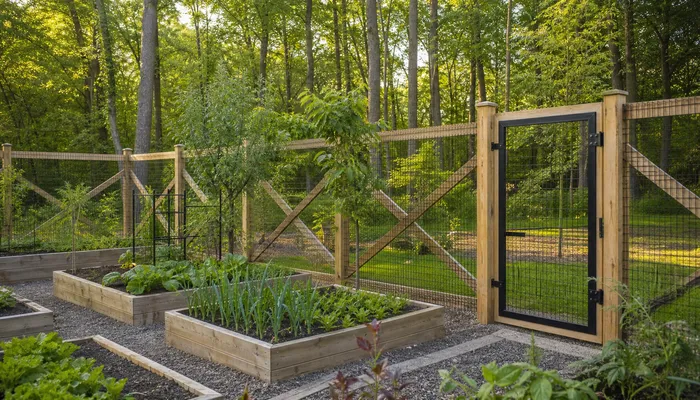
Useful layout ideas include wrapping only the vulnerable garden beds, creating a zoned perimeter that leaves a lawn open, and stepping panels with the grade instead of forcing a level line through a slope. Gates deserve the same attention as the fence itself. A pedestrian gate should latch cleanly, a service gate should be wide enough for wheelbarrows and equipment, and any vehicle gate should be planned around driveway width, clearance, and access control. Automatic security gates can be a good fit when the fence line also defines a driveway or a controlled entry, but the gate should be selected with the fence, not added as an afterthought.
Materials for a Deer Fence: Wood, Vinyl, Composite, Metal, and Chain Link
Wood offers a familiar residential look and easy repair, but it needs a finish and a realistic maintenance routine. Vinyl keeps a clean appearance with less routine work; Seasonal Care for Vinyl Fences is a useful guide for homeowners comparing long-term upkeep. Composite can deliver a denser look and consistent color, though it is typically a larger investment. Metal, aluminum, and steel provide slim profiles and strong structure; Benefits of Installing a Metal Fence explains where those systems make sense. Chain link remains a practical choice for open sight lines and budget control, but it may not deliver the residential look many homeowners want near a garden or front entry.
The right material should match the job, not just the photograph. A barrier in a windy open lawn needs different posts and bracing than a short garden enclosure tucked between hedges. A gate that is used every day needs hardware that can handle that routine. Ask how the material handles freeze-thaw cycles, how it can be repaired, and what the finish will look like after several winters.
City-by-City Fence Considerations Across the Group
Highland Park, IL
Fence installation planning in Highland Park, IL often starts with a larger, landscaped lot where the fence needs to protect beds without closing off the view. Highland Park sits in Lake County, according to local geographic context, and the lake-influenced weather makes wind and winter moisture worth discussing before posts are set. A stepped layout, a service gate, and a material that can handle shade and moisture are often more useful than a single straight run around the entire property.
Northbrook, IL
Wood and vinyl fence options in Northbrook, IL are common conversation points because homeowners often want garden protection that still reads as a residential boundary. Northbrook is a Cook County village, according to local geographic context, and its lots can range from open lawn to heavily planted yards. In that setting, gate placement and the finished side of the fence deserve as much attention as the panel style, especially where a neighbor’s view or a driveway edge is close.
Wheeling, IL
Residential fence planning in Wheeling, IL should begin with the property’s practical routine: parking, trash pickup, side-yard access, and the way the yard meets the street. A compact barrier can work well when it is measured carefully, but a gate that is too narrow or a panel line that blocks drainage will create daily friction. This is also a community where checking the Village’s fence paperwork early can save a redesign later.
Winnetka, IL
Automatic gate access ideas in Winnetka, IL are worth considering when a garden barrier also needs to define a driveway or a private entry. Even on a residential lot, the gate should be planned with the fence line, the approach, and the power or control location in mind. A simple pedestrian gate may be enough for a backyard garden, while a vehicle gate needs a more deliberate design and a clear conversation about how often it will open and close.
Permits, Property Lines, and Utility Locates Before You Install
Illinois fence rules are handled locally, so a plan that works in one village may need a different height, setback, or paperwork in the next. Wheeling provides a useful example: the Village’s fence permit page states that a permit is required for installation, replacement, or modification of fences, and that contractors must be registered and bonded with the Village before a permit is issued. The Village also lists inspections and plan details such as layout, gates, height, and length. Those are practical reminders for any regional project, even where the exact local checklist differs.
Before digging post holes, confirm utility locates and keep the fence line clear of drainage paths, easements, and service equipment. A fence can define a property, but it should not trap water against a foundation or make a utility meter impossible to reach. Review the survey, talk through the gate swing, and confirm the final layout on site before materials are cut.
Winter Durability and Seasonal Checkpoints
Northern Illinois winters put fences through freeze-thaw movement, wind, snow load, and road salt. Posts that were set without attention to soil and drainage can begin to lean after a few seasons, and gates can start dragging when hardware loosens. A spring and fall check of latches, hinges, post bases, and finish is a small habit that protects a larger investment. If the fence is near a driveway or alley, keep salt spray and plow damage in mind when choosing finish and placement.
Good installation does not make a fence maintenance-free. It makes maintenance predictable. Homeowners should know where the gate should latch, how the panels should line up, and what a normal seasonal adjustment looks like. That knowledge makes it easier to catch a small issue before it becomes a leaning run of posts.
Frequently Asked Questions About Fence Planning
Does a Deer Fence Need a Gate?
Usually yes if the fence encloses a garden, side yard, or driveway. A gate lets you move tools, soil, bins, and equipment without disturbing panels. Plan the gate width around its real use, and choose a latch that works with the grade. If vehicles need access, discuss an automatic gate early so the operator, clearance, and safety features are part of the design.
Which Materials Work Best for a Deer Fence?
For a garden barrier, wood, vinyl, and composite are often chosen for appearance and screening, while metal, aluminum, steel, and chain link are chosen for open sight lines or durability. The best choice depends on the height, wind exposure, gate use, maintenance preference, and local rules. Compare the full system, including posts, hardware, and finish, rather than only the panel price.
Do I Need a Permit for a Fence in Illinois?
Permit requirements vary by municipality. Some communities require a permit for new, replacement, or modified fences, and many ask for a survey, plan, contractor information, and inspections. Use the local building or community development department as the final authority, and confirm the current checklist before scheduling installation.
How Should I Plan Around Slopes and Mature Trees?
Walk the grade and decide where panels should step, where posts can be set without damaging major roots, and where water naturally moves. A straight line on paper can create gaps at the bottom or awkward gate swings on a slope. Plan the layout in person, then confirm the material and post depth that fit the site.
Where Can I Compare Local Fence Options?
The city pages linked above are the best starting point for local coverage details and service-area context. Compare the property type, the gate plan, and the material that fits the yard, then use a site visit to confirm measurements and local requirements.
A well-planned barrier should protect the garden, respect the property line, and still feel like part of the home. Start with the plants and the daily routine, then choose the height, gate, and material around that reality. For a broader look at the company’s Fence Installation approach, review the main service page after comparing the city pages above.