Skip to content

A Guide To Decorative Fencing
In the past, fences were seen only as a means to make a place safer. People didn’t pay attention to all of their qualities. They just wanted a fence on their property and that was it. Yet, with the growth of fence companies and landscaping companies, we’ve had a boom when it comes to fences. Especially, those that decorate a home. Installing a fence isn’t only functional, no. It is also something that affects the aesthetic of a place and everything around it. That is why today we have a guide to decorative fencing. Read on if you want to learn how fences can beautify your place even further.
What is decorative fencing?
Starting off with a guide to decorative fencing, we need to establish what it is. In the end, it’s still a fence. You have all the properties of one. However, they are a bit different in the sense of the image. As we mentioned above, fences used to be more functional. Well, they still are. Although, decorative fences blend functionality with beauty. Most materials can be customized nowadays to create a decorative fence. One of such will include some specific accents, colors, and more things to become a decorative fence.
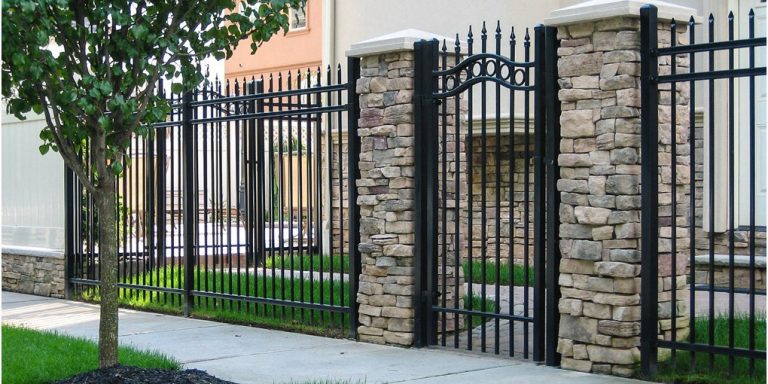
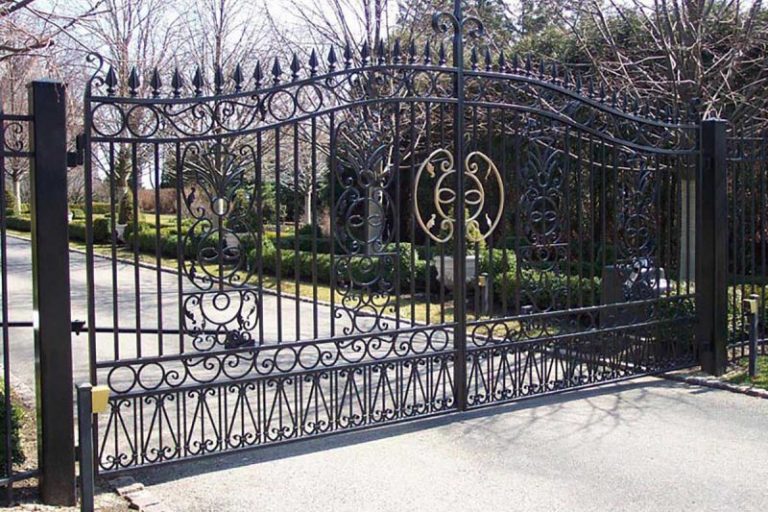
Decorative fences vs normal fences
People always ask which one is best. Truth be told, it is a matter of personal taste. Some people will always prefer the cheap and functional option. That is because decorative fences can cost a bit more. They need to be customized and adapted to the customer’s requests. So, that is one thing to keep in mind. However, in the end, both fences serve the same product. So, it boils down to whatever you want. If you want to beautify your home or business, try a decorative fence. You can always ask your local fence company about the options they offer and get started with your new fencing project.
Also, you can check our post How Rain Affects Fences.