
Decorative Fencing Guide: Styles, Benefits & Design Inspiration

Decorative Fencing Guide explores how modern fencing has evolved beyond simple security structures into architectural and landscape-enhancing elements. Today, fences are no longer just barriers—they are design features that improve curb appeal, property value, and overall visual harmony.
What Is Decorative Fencing?
Decorative fencing refers to fence systems designed with a strong emphasis on aesthetics while still maintaining security and functionality. Unlike traditional fences that focus only on protection, decorative fencing combines visual appeal with structural purpose.
In this Decorative Fencing Guide, it is important to understand that nearly any material—wood, iron, vinyl, aluminum, or composite—can be transformed into a decorative system through design customization.
- Custom colors and finishes
- Ornamental patterns and details
- Mixed-material designs
- Architectural enhancements
Evolution of Decorative Fencing
In the past, fences were purely functional. Their primary purpose was to mark boundaries and provide security. However, with the rise of landscaping design and architectural innovation, fencing has become an essential part of exterior aesthetics.
This Decorative Fencing Guide highlights how modern fencing now plays a dual role: protection and design enhancement.
Popular Types of Decorative Fencing
1. Ornamental Iron Fences
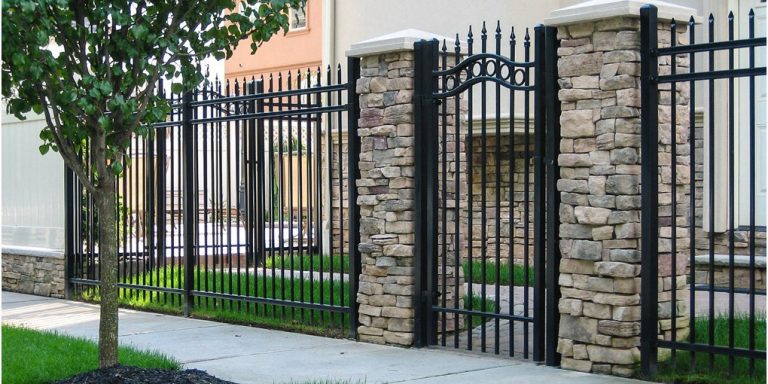
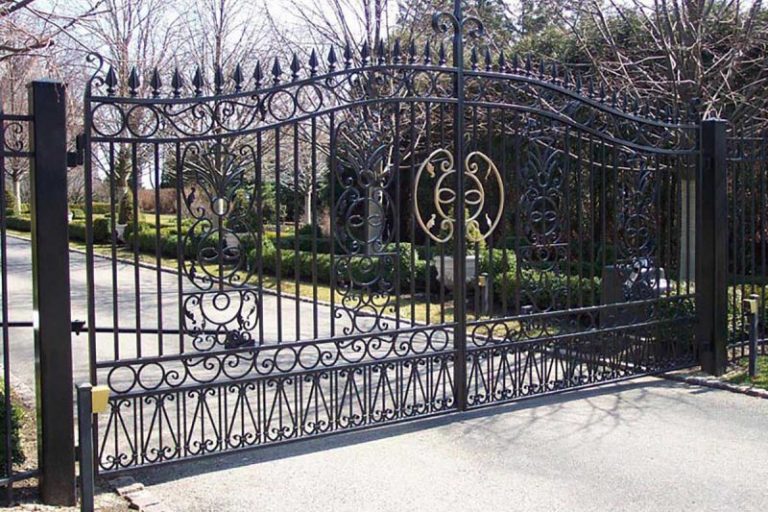
Iron fences are one of the most elegant options in decorative fencing. They offer durability while allowing intricate designs such as scrolls, spikes, and geometric patterns.
2. Decorative Wood Fences
Wood fencing provides a natural and warm aesthetic. It can be customized with stains, paint, and unique panel designs to match residential or commercial landscapes.
3. Vinyl Decorative Fences
Vinyl fences are low maintenance and highly versatile. They can mimic traditional materials while offering modern durability and weather resistance.
4. Aluminum Modern Designs
Aluminum fencing is lightweight yet strong. It is commonly used for modern decorative applications due to its clean and minimalist appearance.
Decorative Fencing vs Traditional Fencing
One of the key topics in this Decorative Fencing Guide is understanding the difference between standard and decorative fencing systems.
Traditional fences focus on function: security, privacy, and boundary marking. Decorative fences go further by enhancing architectural identity and landscape design.
- Traditional fences = functional priority
- Decorative fences = function + aesthetics
- Higher customization options
- Improved property value and visual appeal
Benefits of Decorative Fencing
Choosing decorative fencing provides multiple advantages beyond basic protection. These benefits make it a preferred choice for modern homeowners and businesses.
- Improved curb appeal: Enhances the overall look of the property
- Higher property value: Attractive designs increase market value
- Customization: Fully adaptable to architectural styles
- Durability: Modern materials ensure long-lasting performance
Design Tips for Decorative Fencing
To get the best results from your fencing project, consider the following design strategies:
- Match fence style with home architecture
- Use color contrast to highlight landscaping
- Combine materials for modern aesthetics
- Integrate lighting for nighttime visibility
Following these principles ensures your fence becomes a design asset rather than just a boundary structure.
Conclusion
This Decorative Fencing Guide shows that fencing is no longer just about security—it is about style, identity, and property enhancement. Whether using iron, wood, vinyl, or aluminum, decorative fencing transforms outdoor spaces into visually appealing environments.
By choosing the right design, homeowners and businesses can achieve a perfect balance between protection and aesthetics while significantly improving property value and curb appeal.