

Types of Commercial Intercom Security Systems
If you’re considering installing an intercom security system in your property, you are making the right choice. Protecting your home or business is of high importance. It is a fact that Security Cameras & Intercom Systems are the perfect way to secure the home from theft. An intercom security system works as a two-way communication electronic device. It contains circuitry for the purpose of transmitting and receiving audio and/or video transmissions. So, time to learn more about Types of Commercial Intercom Security Systems.
Here are some Types of Commercial Intercom Security Systems
Wireless unit
The wireless intercom is quite original. It uses a different type of radiofrequency and tends to be less expensive than other options. An advantage is that there is basically no installation required. This means that you can start using them right at the moment. Just make sure the battery is up to date and be aware of the range of a wireless unit. The problem is that they can have interference issues and a lack of a wide range.
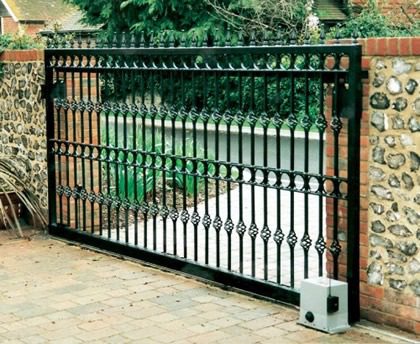
Wired Security Camera System
Hard-wired intercom
The most common intercom security system is hard-wired because you can mount it inside the home. The hard-wired intercom allows you to communicate with someone at the front door just by pressing a button to speak. A clear advantage is that it is more reliable in avoiding external interferences and it is hard for this intercom to wear off.
Video Intercom Security System
Another option is to get a video intercom. This is for the ones that want the option to see a visitor that is at the door. They are typically wired systems. A great advantage is that you can also incorporate a webcam to your front door that can be accessed with your other smart home technology.
Carrier-Current is another of the Types of Commercial Intercom Security Systems
You can integrate this intercom into the electrical system of your home. An advantage is that you can have a conversation with someone at your front door. Also, it’s easy to install and maintain but you may find other options that provide better audio quality.
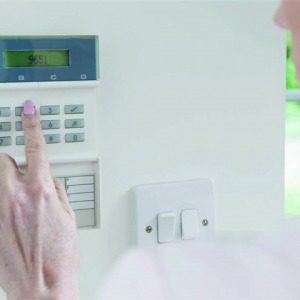
Automatic-gate entry in intercom security system
Now you can let people into your front gate without being physically present. Just press the button to let them in the door. You’ll be able to see, talk to, and open entry for a visitor.
Now, what can you do if you already know which intercom security system you want? Well, Osceola Fence Company can quickly install security cameras and intercom security systems in Chicago and its surroundings. So, call for a free estimate!
Camera Systems in Chicago
Chicago Fence Company, Security Systems Installation Services in Chicago