 Skip to content

Where to Install Galvanized Steel Guardrails?
First, what are W-Beam guardrails? W-beam guardrails are cost-effective roadway longitudinal barriers designed to reduce the severity of runoff collisions. Also, they prevent vehicle impact with roadside objects and decrease the likelihood of vehicle rollover. These types of road guardrails are the most common safety barrier in the U.S. due to their high effectiveness and low production costs. So, it is important that we leave the important job of the installation of w-beam galvanized steel guardrails to a trustworthy company. Osceola Fence is the one Chicago fence company that offers custom installation of highway guardrails in Chicago and its surroundings! Learn Where to Install W-Beam Galvanized Steel Guardrails.
Advantages of W-Beam Railings
- Strength and Durability: Made from high-strength galvanized steel, these railings provide robust protection against vehicular impacts.
- Corrosion Resistance: The zinc coating offers excellent protection against rust, ensuring long-lasting performance even in harsh weather conditions.
- Cost-Effectiveness: Their mass production and affordable materials make them a cost-efficient solution for enhancing road safety.
Common Applications of W-Beam Guardrails
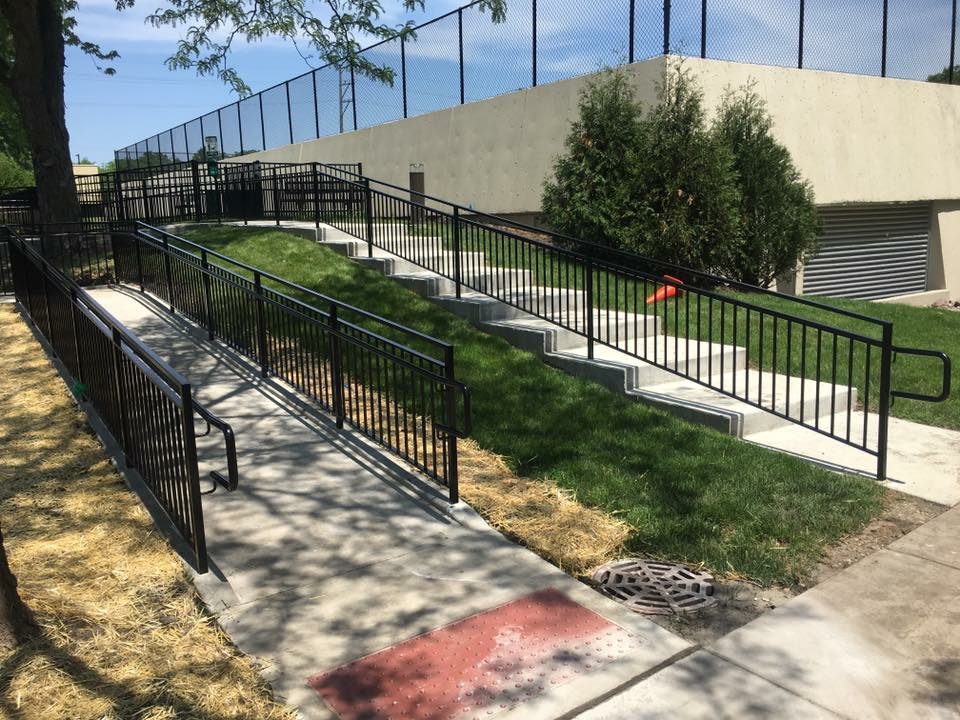
- Highways and Secondary Roads: Installed to shield vehicles from roadside hazards such as steep slopes, bodies of water, or rigid structures.
- Parking Lots: Provide an effective barrier to prevent vehicles from straying into pedestrian areas or structures, enhancing safety in parking zones.
- Bridges and Overpasses: Offer essential containment in elevated areas, preventing potentially catastrophic falls.
Considerations for Installing W-Beam Guardrails
- Site Evaluation: Before installation, it is crucial to conduct a thorough site assessment to identify potential hazards and determine the optimal placement of the guardrails.
- Installation Height: The Federal Highway Administration (FHWA) recommends that the minimum height for newly installed W-Beam guardrails be at least 27¾ inches (approximately 70.5 cm) to the top of the rail, including construction tolerances. A nominal height of 29 inches (approximately 73.7 cm), with a tolerance of plus or minus one inch, is acceptable for use on the National Highway System.
- Anchors and Terminals: All W-Beam guardrail systems must be properly anchored at the initial and terminal ends of the installation to ensure their effectiveness during an impact.
- Post Spacing: The standard spacing between posts is 6.25 feet (approximately 1.9 meters), although this can be adjusted based on specific site requirements and local regulations.
Regulations and Standards in the United States
The installation of W-Beam guardrails must comply with the guidelines established by the American Association of State Highway and Transportation Officials (AASHTO) and the Federal Highway Administration (FHWA). These regulations ensure that guardrails provide the appropriate level of containment and vehicle redirection in the event of a collision.
Maintenance and Long-Term Considerations
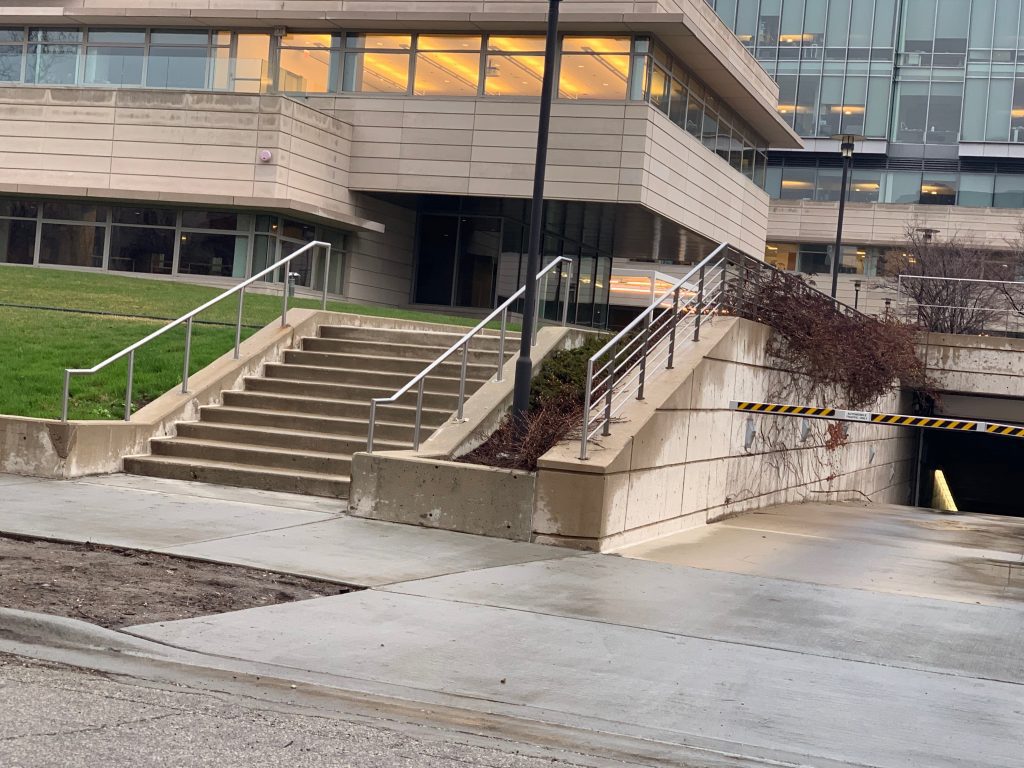
- Regular Inspections: It is essential to conduct regular inspections to identify any damage or corrosion that may compromise the integrity of the guardrail.
- Timely Repairs: Any damaged section should be repaired or replaced immediately to maintain the effectiveness of the containment system.
- Updates According to Regulations: Traffic safety regulations may be updated, so it is important to ensure that existing guardrails comply with the latest standards.
So, why should you install galvanized steel guardrails?
Galvanized W-Beam guardrails are an essential solution for improving safety in various applications, from highways to parking lots. Their proper installation and maintenance, in accordance with U.S. regulations, ensure effective protection for roadway users, meeting the guardrail safety standards outlined by the Federal Highway Administration (FHWA) and NCHRP Report 350.
Should you install a galvanized steel barrier?
If you’re looking for a reliable Chicago Fence Company to enhance the security of your property, look no further. Our Chicago Fence Company specializes in durable and efficient solutions, such as Chicago Roof Guardrail installation. With years of experience in Roof Guardrail Chicago installation, we provide additional protection in vulnerable areas. Trust us to meet all your fencing and guardrail needs in Chicago with professional, high-quality service.
