

5 Things Property Owners Should Do Before Installing a Fence
There are multiple reasons why property owners get Fence Installation in Chicago. A new fence can add privacy to your home or provide additional security to your business. Installing the fence can seem like a hard and complicated job. However, we have for you a small list of what you should consider before installing a new fence. So, here are 5 Things Property Owners Should Do Before Installing a Fence.
Are you concerned about the resistance of your fence?
Best fence company Chicago, Residencial Services
Communicate the idea of a fence to your neighbors or co-owners
Before starting it is advisable to talk with all your neighbors. Know your property lines, and be sure to stay within them.
Do not take things for granted, check the plans of your property several times, locate the limits of the property and mark them with a stake.
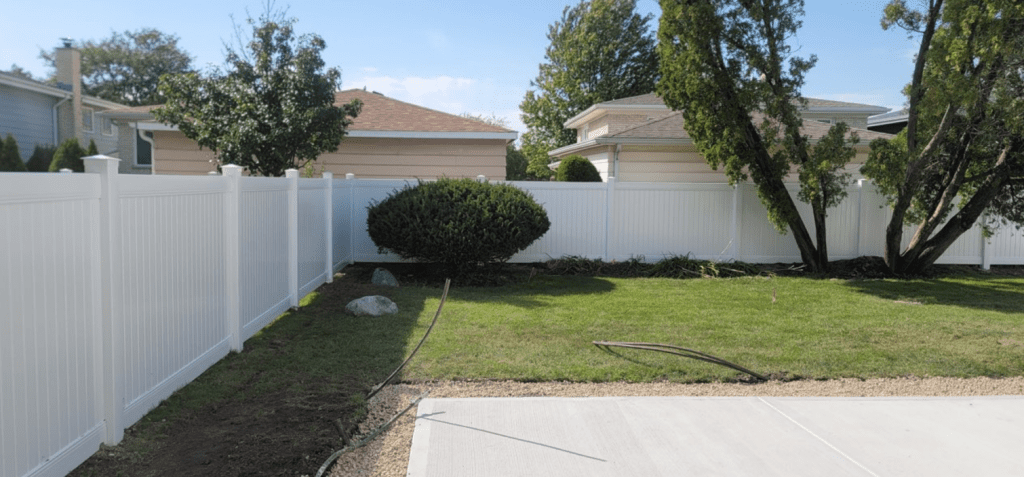
Property owners need to consider the height of your new fence
You should keep in mind what height your fence needs. You do not want to block the landscape or the view that your business has with a very high fence.
On the other hand, if you want privacy, in your home, for example, you will not want to place a small fence.
Verify the type of material and the quantity you need is one of the 5 Things Property Owners Should Do Before Installing a Fence
To calculate the materials, you can use the delimitation made with the stakes as a reference. What is necessary is to measure the distance between each of them. Don’t forget to consider the doors.
You can draw an outline of the area you want to fence and mark the posts.
To give you a better idea of how many posts you need, you can follow a general rule: fence posts must be 8 feet away or less, this way you will prevent the fence from sinking.
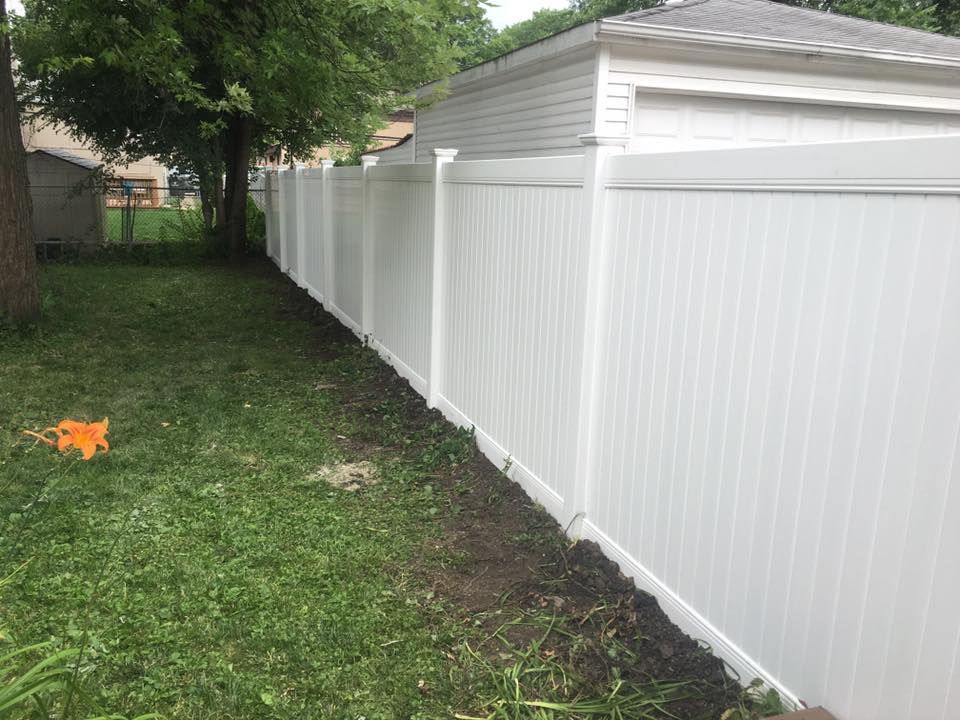
All property owners need to obtain all building permits
This is very important, you will not want your construction to be stopped due to a lack of permits.
Go to the local construction and planning office to receive a copy of the regulations regarding the installation of fences. These are the 5 Things Property Owners Should Do Before Installing a Fence. Watch out for them before you get your fences installed. And, for more help remember to call your local fence company.