
Proper Fence Etiquette Every Property Owner Should Know
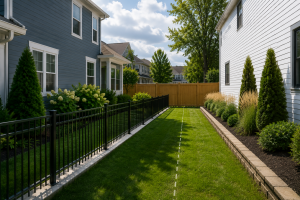
Fence Etiquette refers to the set of unwritten rules and best practices that property owners should follow before installing a fence. While not always legally required, these practices help maintain good relationships with neighbors and ensure smooth installation processes.
Understanding proper fence etiquette is essential in residential and commercial areas, especially in cities like Chicago where property boundaries and regulations are strictly enforced.
Why Fence Etiquette Matters
The importance of Fence Etiquette lies in avoiding conflicts, legal issues, and misunderstandings between neighbors. Installing a fence without proper planning can lead to disputes over property lines or shared maintenance responsibilities.
Following proper etiquette ensures a smooth installation process and helps maintain community harmony.
- Prevents neighbor disputes
- Ensures legal compliance
- Improves property planning
- Supports community relationships
Understanding Property Lines
One of the most important aspects of Fence Etiquette is knowing your property boundaries. Installing a fence without verifying property lines can result in legal issues or forced removal of the structure.
Property owners should always confirm boundaries through official surveys or county records before beginning any installation project.
This step is essential for avoiding future conflicts with neighbors or local authorities.
Communication With Neighbors
Clear communication is a key part of Fence Etiquette. Informing neighbors about your fencing plans helps prevent misunderstandings and encourages cooperation.
If the fence is shared, discussing costs, materials, and design preferences can help both parties reach an agreement.
- Discuss fence location and design
- Share construction timelines
- Agree on maintenance responsibilities
HOA Rules and Local Regulations
In many neighborhoods, Homeowners Associations (HOAs) regulate fence installation. Fence Etiquette includes following these rules to avoid fines or mandatory changes.
Common HOA restrictions include fence height, materials, color, and placement.
Local building codes may also require permits and inspections before installation.
Shared Fence Responsibilities
When fences are built along shared property lines, Fence Etiquette suggests discussing cost-sharing and maintenance responsibilities with neighbors.
This cooperative approach helps reduce expenses and promotes fairness between property owners.
Respecting Neighbor Privacy
Another important aspect of Fence Etiquette is respecting privacy. Fence design and placement should not negatively impact neighboring properties.
Choosing appropriate height and structure helps maintain good relationships while still providing security and privacy for your own property.
Maintenance and Long-Term Care
Fence Etiquette also includes ongoing maintenance responsibilities. Proper upkeep ensures that the fence remains safe, functional, and visually appealing over time.
Neglected fences can cause damage to adjacent properties or lead to disputes with neighbors.
- Regular inspections
- Timely repairs
- Proper cleaning and treatment
Conclusion
Fence Etiquette is an essential part of responsible property ownership. By understanding property lines, communicating with neighbors, and following HOA and local regulations, homeowners can avoid conflicts and ensure successful fence installation.
Following these simple guidelines helps create a smoother installation process and a more positive community environment.