
Aluminum vs Steel Construction Materials: A Modern Material Shift
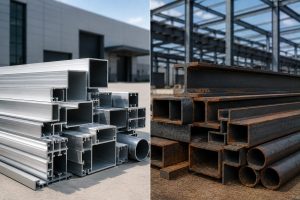
Aluminum vs Steel Construction Materials is a key comparison in modern engineering, architecture, and fencing systems. As industries evolve, builders and property owners are increasingly evaluating which material offers the best balance between durability, cost efficiency, and long-term performance.
While steel has traditionally dominated construction due to its strength, aluminum is rapidly gaining popularity thanks to its corrosion resistance, lightweight structure, and sustainability benefits.
Introduction: Evolution of Construction Materials
Steel has been a foundational material in construction for over a century, used in everything from buildings to fences and industrial infrastructure. However, environmental exposure has revealed one major limitation: corrosion over time.
This has led engineers to explore aluminum as a modern alternative for many outdoor and structural applications.
Steel and Its Corrosion Limitations
Steel offers excellent structural strength but is highly vulnerable to rust when exposed to moisture and oxygen. Over time, this leads to degradation, increased maintenance costs, and reduced lifespan in outdoor environments.
For fencing, railings, and exposed industrial structures, corrosion is one of the biggest long-term challenges.
Aluminum: A Lightweight and Resistant Alternative
Aluminum naturally forms a protective oxide layer when exposed to air, preventing further corrosion. This makes it highly effective for outdoor construction and fencing systems.
Compared to steel, aluminum is significantly lighter, which reduces transportation costs, installation time, and labor effort.
Key Differences Between Aluminum and Steel
- Weight: Aluminum is about three times lighter than steel, making handling and installation easier.
- Corrosion Resistance: Aluminum naturally resists rust due to its oxide layer.
- Maintenance: Aluminum requires significantly less long-term maintenance than steel.
- Installation Efficiency: Lightweight structure reduces labor and equipment needs.
Sustainability Advantages
Aluminum is one of the most sustainable construction materials available today. It can be recycled repeatedly without losing its structural integrity.
Recycling aluminum also requires far less energy compared to producing new raw material, reducing environmental impact significantly.
Applications in Modern Construction
Both aluminum and steel remain essential materials, but aluminum is increasingly preferred in lightweight and outdoor applications.
- Aluminum fencing systems
- Automatic gates
- Balconies and railings
- Window frames and façades
- Light commercial structures
Aluminum in Fencing Systems
In the fencing industry, aluminum systems are becoming a preferred alternative to steel due to their durability and low maintenance requirements.
They are especially effective in environments with high humidity, heavy rainfall, or snow exposure.
Conclusion
The comparison of Aluminum vs Steel Construction Materials shows a clear shift in modern construction priorities. While steel remains essential for heavy-duty structural applications, aluminum is becoming the preferred choice for fencing, architectural, and outdoor systems.
Its lightweight nature, corrosion resistance, and sustainability make it a strong long-term solution for modern construction projects.