
Are Composite Fences Eco Friendly Chicago? Sustainable Fencing Explained

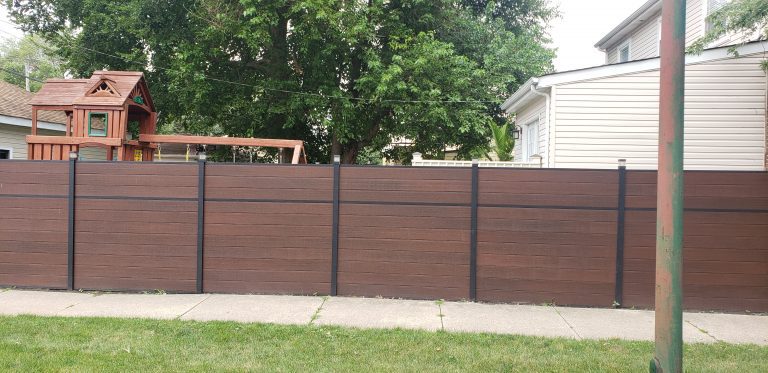
Composite fence panels installed in Chicago residential property showing eco-friendly modern design

Understanding Are Composite Fences Eco Friendly Chicago is becoming increasingly important as more property owners look for sustainable and environmentally responsible building materials. Composite fencing has emerged as one of the most popular alternatives to traditional wood and metal fencing due to its durability and eco-conscious manufacturing process.

At Osceola Fence, we specialize in composite fence installation in Chicago, offering solutions that combine strength, aesthetics, and environmental responsibility.

What Makes Composite Fencing Eco Friendly?

To answer Are Composite Fences Eco Friendly Chicago, it is important to understand how these fences are made. Composite fencing is typically manufactured using a blend of recycled plastics and reclaimed wood fibers.

By reusing materials that would otherwise end up in landfills, composite fencing helps reduce environmental pollution and supports a circular economy model.

1. Sustainable Manufacturing Process

One of the main reasons why Are Composite Fences Eco Friendly Chicago is answered positively is due to the production process. Manufacturers combine recycled plastic and wood fibers under high-pressure molding systems to create durable fencing panels.

This process reduces the need for virgin materials and minimizes environmental impact compared to traditional fencing production methods.

2. Long Lifespan Reduces Waste

Another key factor in evaluating Are Composite Fences Eco Friendly Chicago is durability. Composite fences are designed to last significantly longer than wood fences.

They resist:

Because they last longer, they reduce the frequency of replacements, which ultimately lowers material waste over time.

3. Low Maintenance Environmental Benefits

Composite fencing does not require chemical treatments such as stains, paints, or sealants. Traditional wood fences often rely on these chemicals, which can negatively impact the environment.

With composite fencing, homeowners reduce the use of harmful chemicals, making it a safer and more eco-friendly choice for residential and commercial properties.

4. Energy Efficiency in Production

Modern manufacturers of composite fencing are increasingly adopting energy-efficient production methods. While all manufacturing has some environmental footprint, composite fencing significantly reduces waste compared to traditional metal or wood processing.

This further supports the positive answer to Are Composite Fences Eco Friendly Chicago.

5. Aesthetic and Functional Advantages

Beyond sustainability, composite fences offer a modern wood-like appearance without the environmental drawbacks of logging. They are available in multiple colors and textures, allowing property owners to maintain aesthetic appeal while choosing an eco-friendly solution.

This makes composite fencing ideal for residential homes, commercial properties, and urban developments across Chicago.

6. Recyclability at End of Life

Some composite materials can be recycled again at the end of their lifecycle, depending on manufacturer specifications. This creates a more sustainable long-term material cycle compared to traditional fencing materials.

Conclusion

The answer to Are Composite Fences Eco Friendly Chicago is yes—composite fencing is considered one of the more sustainable fencing options available today. It uses recycled materials, reduces waste, requires fewer chemical treatments, and lasts significantly longer than traditional alternatives.

For property owners in Chicago looking to balance durability, style, and environmental responsibility, composite fencing is a smart long-term investment.