

Pre Fabricated Steel Fence Installation Step by Step Guide

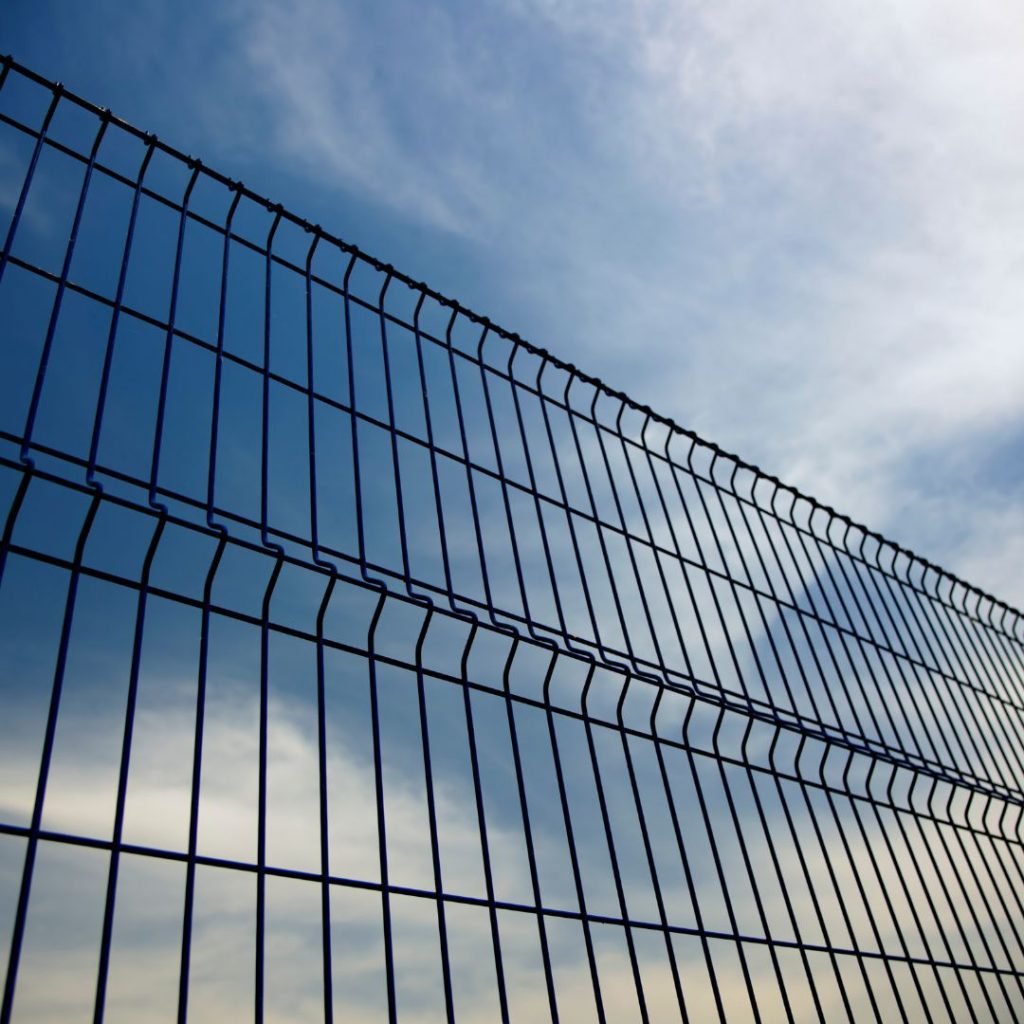
Pre Fabricated Steel Fence Installation is one of the most efficient and reliable methods for securing residential and commercial properties. These systems are manufactured in advance, meaning panels and components arrive ready for quick assembly on-site, reducing labor time and improving installation consistency.
In cities like Chicago, where durability and weather resistance are essential, pre-fabricated steel fencing offers a strong balance between security, speed of installation, and long-term performance.
Why Choose Pre Fabricated Steel Fence Installation
Pre-fabricated steel fencing systems are designed for strength and efficiency. Because components are manufactured in controlled environments, quality is consistent and installation is significantly faster than traditional custom-built fencing.
- Faster installation compared to traditional fences
- High structural durability and impact resistance
- Uniform design and professional finish
- Ideal for commercial and industrial security
This makes them especially popular for businesses, warehouses, and residential properties requiring strong perimeter protection.
Step 1: Site Preparation and Layout Planning
The first stage of Pre Fabricated Steel Fence Installation involves preparing the installation site. This includes clearing vegetation, removing debris, and marking the exact fence line.
Proper layout planning ensures that the fence follows property boundaries accurately and aligns correctly with gates and access points.
- Clear ground of rocks, plants, and obstacles
- Mark fence perimeter using stakes or chalk line
- Verify property boundaries before installation
Step 2: Measuring and Post Spacing
Accurate measurements are critical for structural integrity. The spacing between posts must match the dimensions of the prefabricated panels to ensure proper alignment.
During Pre Fabricated Steel Fence Installation, installers calculate height, panel width, and load requirements before digging post holes.
Step 3: Digging and Setting Fence Posts
Fence posts are the foundation of the entire system. Holes are typically dug below the frost line in colder climates like Chicago to prevent shifting during freeze-thaw cycles.
- Dig post holes according to spacing layout
- Ensure correct depth for stability
- Use gravel or concrete for reinforcement
Once positioned, posts are aligned vertically and secured using concrete to ensure maximum stability and durability.
Step 4: Installing Pre Fabricated Steel Fence Panels
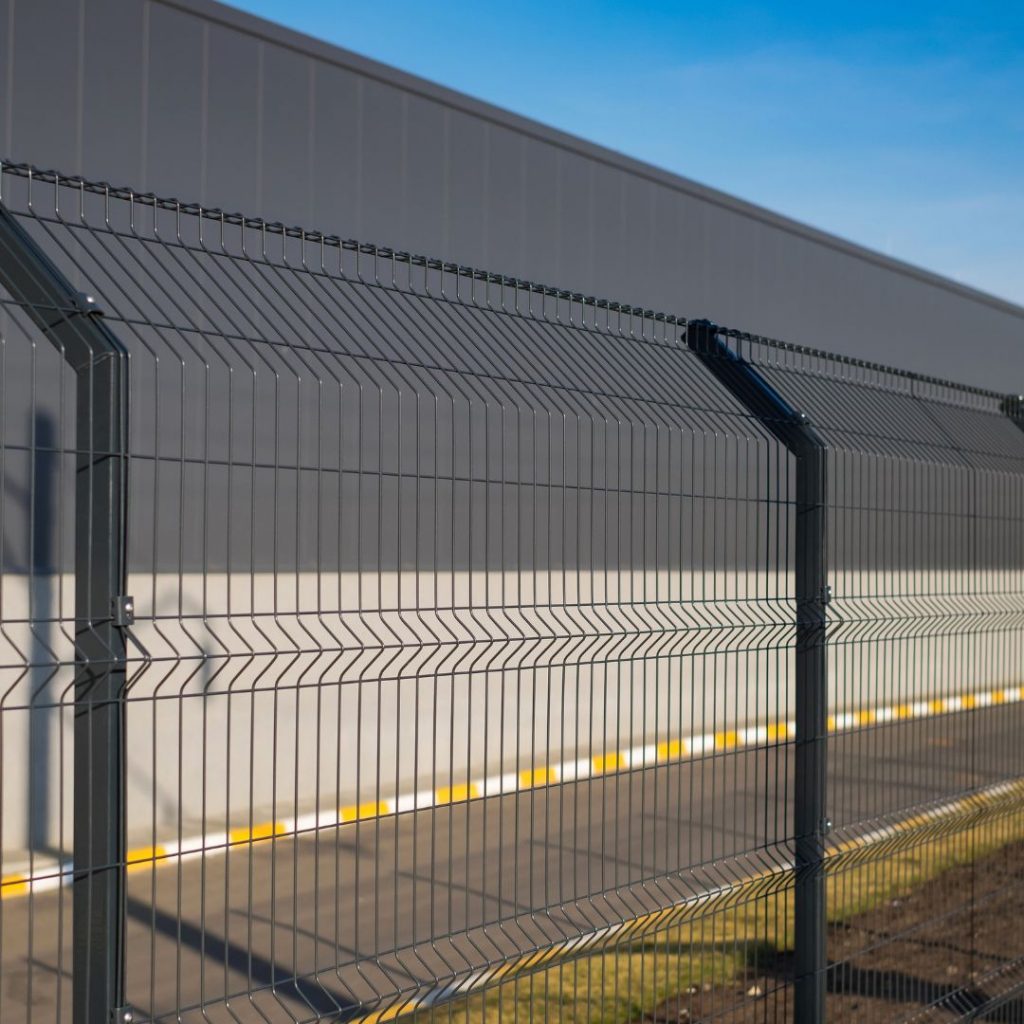
After posts are set and cured, pre-fabricated steel panels are attached. These panels are designed for easy mounting, reducing installation time significantly.
Installers use bolts, brackets, or specialized hardware to secure panels firmly in place while maintaining perfect alignment.
- Attach panels starting from one end
- Check level alignment continuously
- Secure all fasteners tightly
Step 5: Gate Installation and Access Points
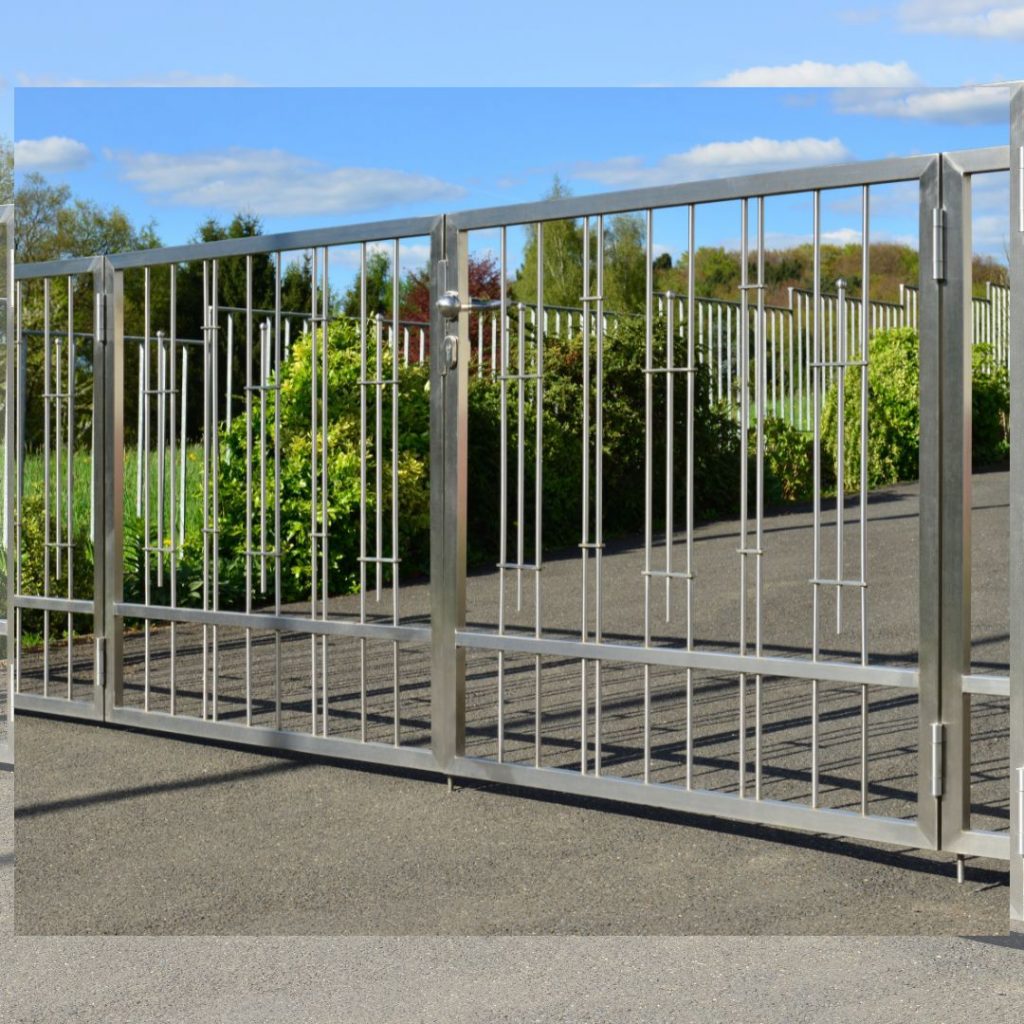
If the system includes gates, they are installed after panels are secured. Gates require precise alignment to ensure smooth opening and closing functionality.
Proper hinge installation and latch calibration are essential for long-term performance and security.
Step 6: Final Inspection and Adjustments
Once installation is complete, a full inspection is conducted. This includes checking alignment, tightening hardware, and ensuring structural stability.
Any minor adjustments are made at this stage to guarantee optimal performance of the Pre Fabricated Steel Fence Installation.
Step 7: Maintenance and Long-Term Care
Even though steel fences are highly durable, regular maintenance ensures extended lifespan and performance.
- Inspect for rust or coating damage
- Clean surfaces periodically
- Tighten loose bolts or hardware
- Apply protective coatings if needed
Conclusion
Pre Fabricated Steel Fence Installation is a practical and efficient solution for property owners seeking durability, security, and fast installation. With proper planning, precise execution, and regular maintenance, these systems can last for decades while maintaining structural integrity and aesthetic appeal.
For commercial and residential properties in Chicago, this fencing method provides a reliable balance between strength, speed, and cost efficiency.