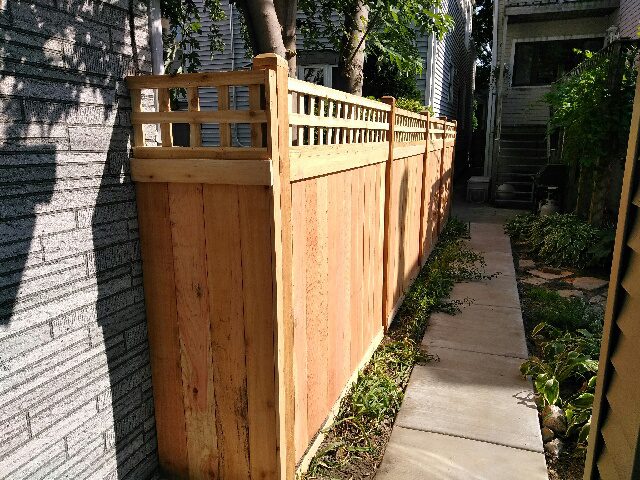

How Landscaping Can Affect Fence Installation?
Landscaping is amazing. It is really a process that requires a lot of investment. Both in money and time. Once it is finished it can turn out to be something beautiful. But, what if there is a fence installation involved? Installing a fence takes a lot of space and sometimes it can conflict with our landscaping. Today we tell you how landscaping can affect fence installation. How you can prevent it and how to fix it in case anything happens.
Are you concerned about the resistance of your fence?
Common Landscaping Issues
Landscaping involves a lot of things. Depending on the things you want to do of course. Most people love creating a rock garden, planting palm trees, and more. These things make a home look beautiful but when it is time to install a fence they can become a nuisance. In the case of fence installation, you need to make sure that the space you’ll install doesn’t have any issues. For example, if you are planning to install a fence next to a tree or shrubs this will be bad. Roots are one of the first causes of damage in fences. They can grow out of control and push the fence out or worse. While having a fence next to our plants is beautiful we recommend leaving some space between. This is to prevent any damage to the fence and your landscape.
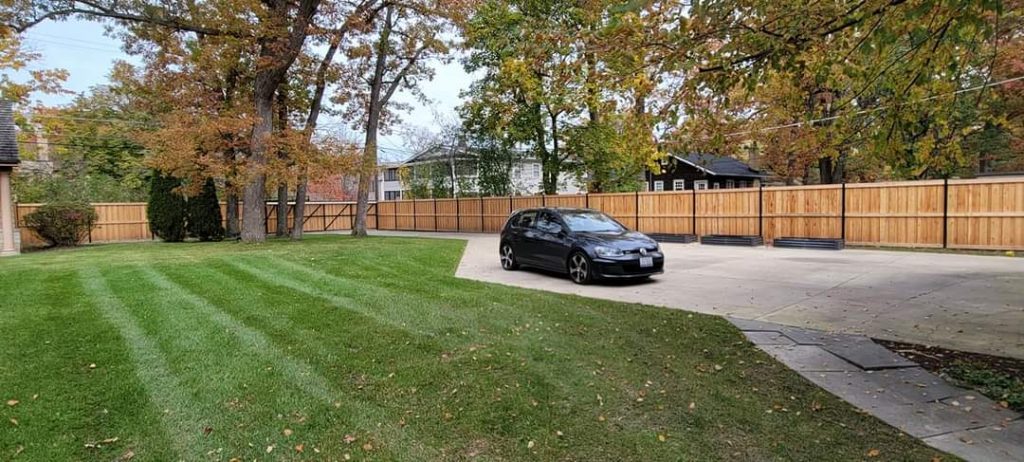
What to do if there's already landscaping around?
There might be a situation where landscaping can’t be removed anymore. In the case of this then you might need to reconsider some options. The first one would be installing the fence in a different place. This is by far the fastest and best option. The next one is relocating all the landscaping to another place. This might prove costly and tedious but you might have to do it. The great thing about landscaping is that there’s always a way to make everything customizable. And guess what? It is the same with fences. They offer a huge variety when it comes to customization. So this is how landscaping can affect fence installation and how to prevent it. For more fence installation tips remember to call us. We’ll be happy to help!