
Ways To Make a Small Yard Look Bigger
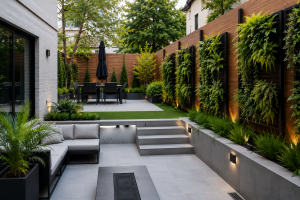
Small Yard Design plays a major role in how spacious and visually appealing an outdoor area feels. Even if you have limited space, the right design techniques can completely transform the perception of your yard and make it look significantly larger than it actually is.
With smart landscaping strategies, fence placement, and visual layering, homeowners can maximize every inch of their outdoor space without expensive expansions.
Why Small Yard Design Matters
The goal of Small Yard Design is not to increase physical space, but to create the illusion of depth, structure, and openness. This is especially important in urban environments where outdoor areas are limited.
With proper planning, even compact yards can feel open, functional, and aesthetically balanced.
- Improves visual space perception
- Enhances property value
- Increases functionality of outdoor areas
- Creates better flow and organization
Using Levels to Expand Visual Space
One of the most effective Small Yard Design techniques is creating different levels within the yard. Instead of a flat layout, adding elevation changes creates depth and visual interest.
For example, a raised patio or elevated grilling area separates functional zones and makes the yard appear larger and more dynamic.
- Raised seating areas
- Sunken garden spaces
- Tiered landscaping layouts
Fences as Visual Expansion Tools
Fences are not only for security—they are a powerful tool in Small Yard Design. The right fence style can influence how big or small a yard feels.
Light-colored fences or vertical slat designs create a sense of openness, while horizontal patterns can visually stretch the space.
Additionally, fences can be used as support structures for vertical gardens, increasing greenery without taking up ground space.
Vertical Gardening for Space Optimization
Vertical gardens are a key strategy in Small Yard Design. By using fence surfaces or wall structures, homeowners can grow plants upward instead of outward.
This technique adds greenery, texture, and depth while preserving valuable floor space.
- Hanging planters on fences
- Wall-mounted plant systems
- Climbing plants and vines
Minimalist Layout and Furniture Selection
Another important aspect of Small Yard Design is avoiding overcrowding. Large furniture or excessive decorations can make a yard feel smaller than it is.
Choosing compact, multi-functional furniture helps maintain open space while still providing comfort and usability.
Color and Lighting Techniques
Light colors and strategic lighting are essential in Small Yard Design. Bright tones reflect more light and create a sense of openness, while soft outdoor lighting enhances depth during nighttime.
Well-placed lighting along fences or pathways can visually extend the yard’s boundaries.
Conclusion
Small Yard Design is all about creativity and smart use of space. By combining levels, fences, vertical gardens, and minimal layouts, even the smallest yard can feel spacious and functional.
With the right approach, any outdoor space can be transformed into a visually larger and more enjoyable environment without major construction or cost.