
What Type of Paint Works on an Old Metal Fence?
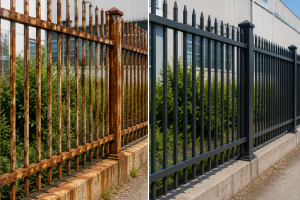
If you’re asking what type of paint will work on an old metal fence, the answer depends on preparation, paint quality, and the level of rust protection needed. Over time, metal fences naturally degrade due to weather exposure, moisture, and oxidation.
Choosing the right Metal Fence Paint is essential to restore appearance, prevent rust, and extend the lifespan of your fencing system.
Why Metal Fence Paint Matters
Metal fences are constantly exposed to environmental conditions such as rain, snow, humidity, and sunlight. Without proper coating, rust begins to form and gradually weakens the structure.
A high-quality Metal Fence Paint does more than improve appearance—it protects the metal surface from corrosion and long-term damage.
- Prevents rust formation
- Improves fence durability
- Restores visual appearance
- Extends structural lifespan
Best Types of Metal Fence Paint
When selecting Metal Fence Paint, it is important to choose products specifically designed for metal surfaces. Standard wall paint will not provide sufficient adhesion or protection.
Oil-Based Metal Paint
Oil-based paints are one of the most durable options for metal fences. They create a hard, protective coating that resists moisture and environmental wear.
This type of Metal Fence Paint is ideal for heavily exposed fences and high-moisture environments.
- Strong adhesion to metal surfaces
- High durability and weather resistance
- Smooth and glossy finish
Acrylic Metal Paint
Acrylic paint is another option that offers easier application and faster drying time. While not as durable as oil-based coatings, it still provides reliable protection for moderately exposed fences.
- Fast drying time
- Easy cleanup and application
- Good flexibility in changing weather
Rust-Inhibiting Paint
The most important feature in any Metal Fence Paint is rust resistance. Rust-inhibiting formulas are specifically designed to prevent oxidation and corrosion from spreading across the metal surface.
This is essential for older fences that already show signs of rust damage.
Surface Preparation Before Painting
Proper preparation is the most important step before applying Metal Fence Paint. Without it, even the best paint will fail prematurely.
The surface must be cleaned thoroughly to remove dirt, debris, and loose rust before painting begins.
- Remove rust using a wire brush or sandpaper
- Clean surface with water and mild detergent
- Allow full drying before priming
- Apply metal primer for better adhesion
Primer is especially important because it improves paint bonding and adds an extra layer of rust protection.
Application Methods for Metal Fence Paint
There are several ways to apply Metal Fence Paint depending on the size and condition of the fence.
Brush Application
Best for detailed work and small sections. Provides precise coverage but requires more time.
Roller Application
Efficient for medium to large surfaces. Offers smooth and consistent coverage.
Spray Painting
Ideal for large fences and complex designs. Provides fast and even application but requires careful control.
Maintenance After Painting
Once Metal Fence Paint is applied, proper maintenance helps extend its lifespan. Regular inspections ensure early detection of chips or rust spots.
Cleaning the fence periodically helps maintain the protective coating and keeps the surface in good condition.
- Inspect fence annually
- Clean dirt and debris regularly
- Touch up damaged areas quickly
- Repaint every 5–7 years
Why Quality Metal Fence Paint Is Important
High-quality Metal Fence Paint provides long-term protection and reduces maintenance costs. While cheaper paints may seem attractive, they often fail to protect against rust and weather damage.
Investing in premium coatings ensures longer-lasting results and better visual appeal.
Conclusion
Choosing the right Metal Fence Paint is essential for restoring and protecting old metal fencing. With proper preparation, high-quality coatings, and regular maintenance, a metal fence can last for many years while maintaining both strength and appearance.
Whether using oil-based, acrylic, or rust-inhibiting paint, the key is proper application and consistent care to ensure long-term durability.