Are There Any Regulations or Permits Required to Install Wood Fencing?

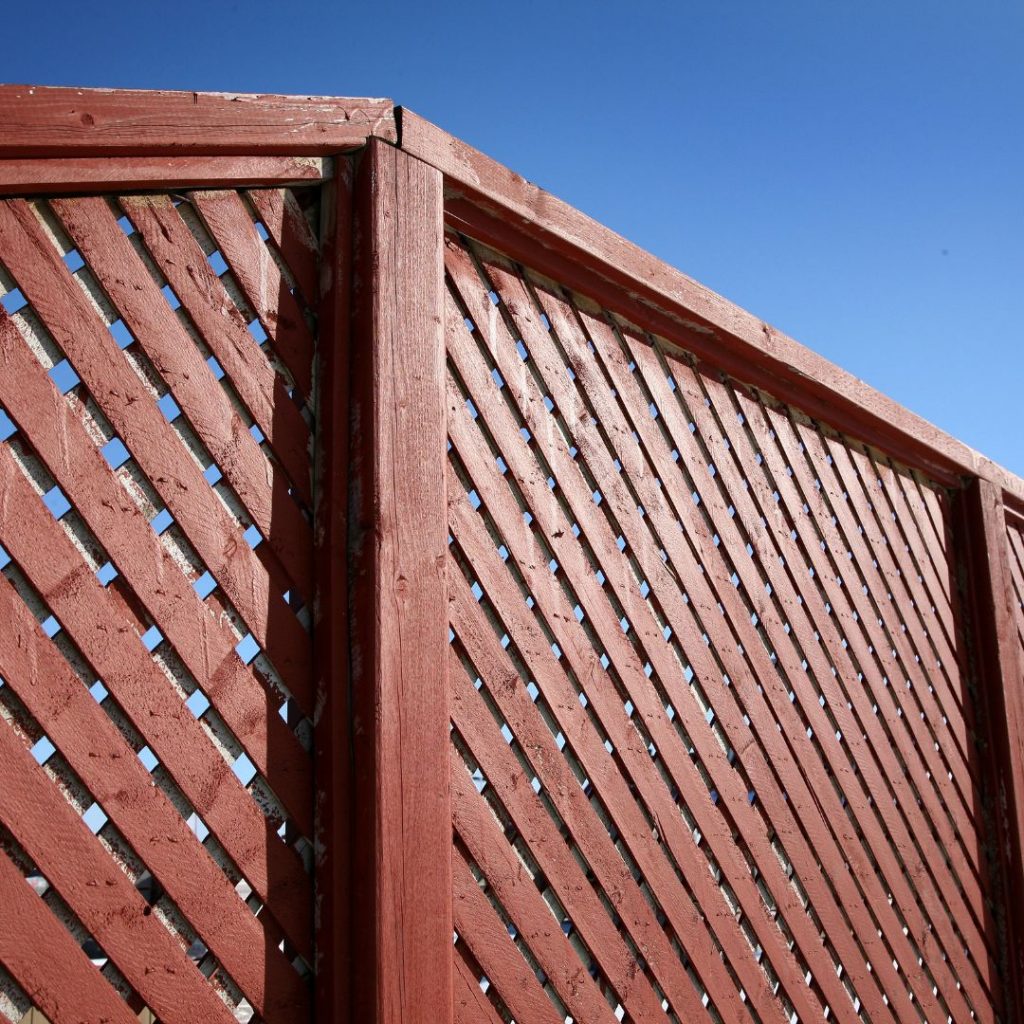
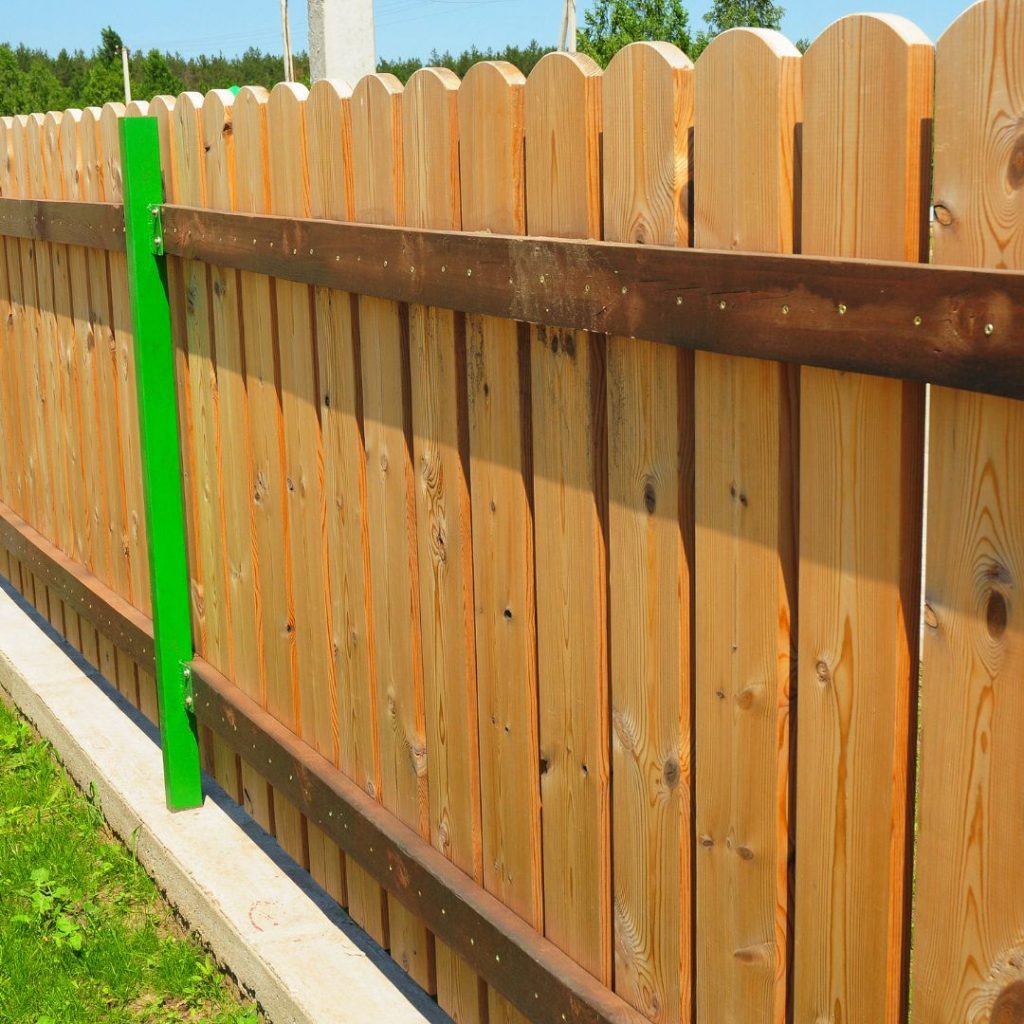
Wood Fencing is one of the most popular choices for residential properties because it offers privacy, security, and timeless curb appeal. Before beginning any installation project, homeowners should understand the local regulations, permit requirements, and property restrictions that may apply. Taking the proper steps before construction helps avoid delays, fines, or costly modifications later.
Although requirements vary by city and municipality, most residential fence projects must comply with local zoning ordinances and building regulations.
Review Local Zoning Regulations
Most cities establish zoning rules that regulate fence height, placement, setbacks from property lines, and visibility near streets or intersections. These regulations help maintain neighborhood appearance while protecting public safety.
Before installing wood fencing, check with your local building department to verify the requirements that apply to your property.
Homeowners Association (HOA) Requirements
If your property belongs to a homeowners association, additional guidelines may apply. Many HOAs regulate fence materials, colors, styles, and maximum heights to maintain a consistent appearance throughout the community.
Obtaining HOA approval before beginning installation can help prevent future disputes or required modifications.
Building Permit Requirements
Some municipalities require a building permit before installing a residential fence, particularly if the fence exceeds certain height limits or is located near public streets or easements.
Permit requirements vary by location, so always verify local regulations before starting your project.
Locate Underground Utilities
Before digging post holes, contact your local utility locating service to identify underground gas, water, sewer, electric, and communication lines. This important step helps prevent costly damage and improves job site safety.
Never begin excavation until underground utilities have been properly marked.
Confirm Property Boundaries
Installing a fence in the correct location is essential. If property lines are unclear, consider obtaining a professional boundary survey before construction begins.
A property survey helps prevent encroachment issues and protects good relationships with neighboring property owners.
Benefits of Professional Wood Fencing Installation
Working with experienced fence contractors ensures your project complies with local regulations while delivering high-quality workmanship. Professional installers understand permit requirements, property setbacks, and proper installation techniques that maximize the lifespan of your fence.
They can also recommend the best fence style and materials based on your property’s layout and your privacy needs.
Plan Your Wood Fencing Project with Confidence
Installing Wood Fencing is an excellent investment that enhances privacy, security, and property value. By understanding local regulations, obtaining any required permits, and working with experienced professionals, you can complete your project smoothly and avoid unnecessary complications.
For additional information about residential building permits and construction guidelines, visit the National Association of Home Builders (NAHB).
Learn more about our Wood Fencing, Residential Fence Installation, and Fence Installation services.