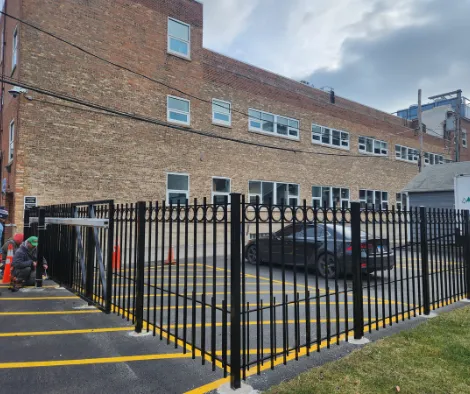
A powered gate project in Wilmette, IL rarely starts with the gate itself. It starts with the entry point, the traffic that crosses it, and the way the operator will move the leaf. Automatic security gates in Wilmette, IL combine three decisions — the gate structure, the operator, and the access method — and each one changes how the finished entrance looks and how it behaves after years of daily use.
Choosing Between Swing and Sliding Gate Operators
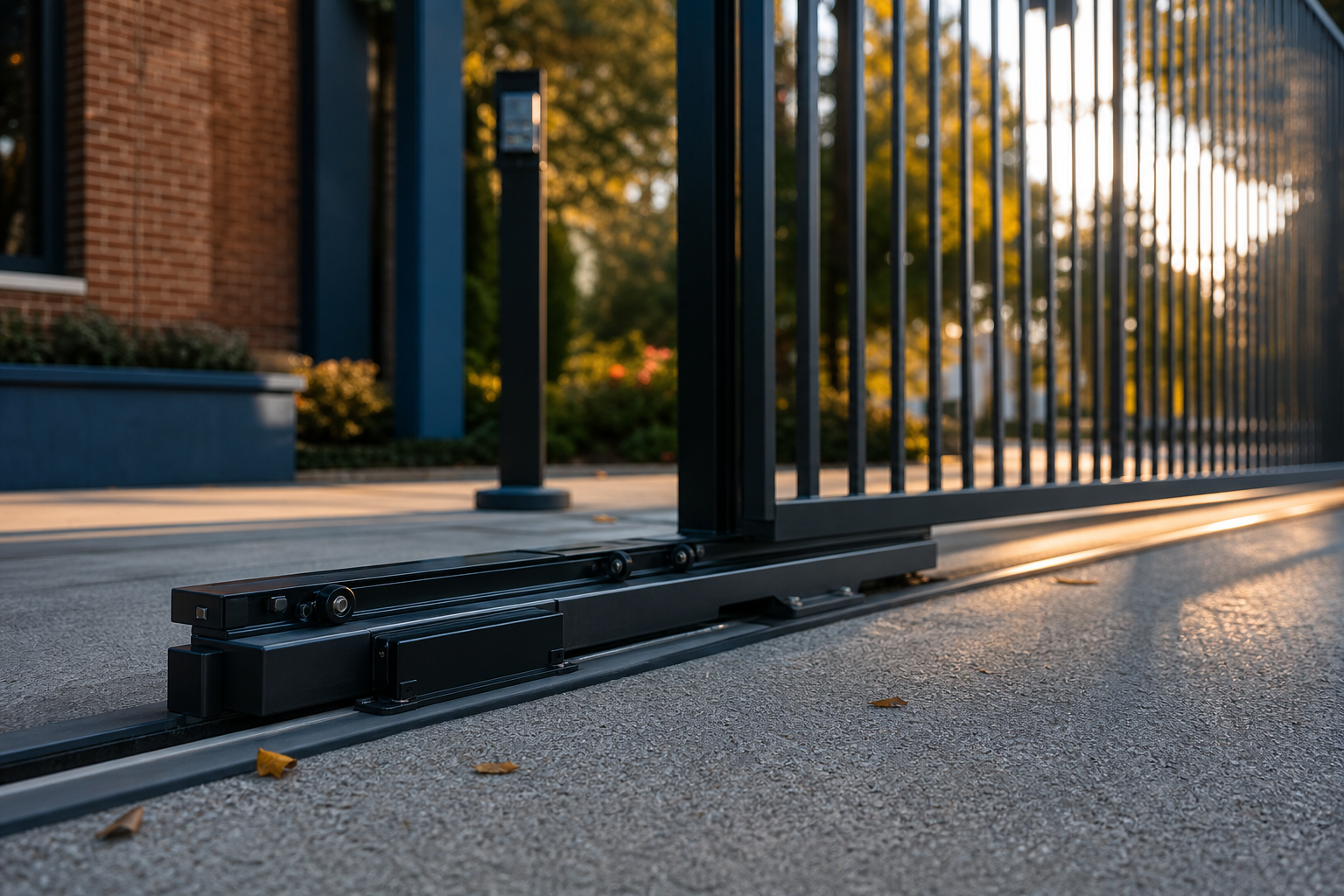
Swing operators pivot the leaf inward or outward from a hinge post, which suits a driveway with clear room behind the gate for the leaf to travel. Sliding operators roll the leaf along a track or cantilever arm beside the driveway, so they fit openings that are wide at the curb but tight on flare. Slope, available swing clearance, exposure to wind coming off the lake, and how many times the gate opens each day all influence which operator holds up better over the long run.
Driveway and Side-Yard Entry Points
Most residential gate projects involve two separate crossings: the main driveway and a side-yard or service entry. Each carries different traffic and needs its own access method. The driveway gate handles vehicles and usually gets a remote or keypad, while the side-yard gate may be pedestrian-only and fitted with a keypad, an intercom, or a request-to-exit device so deliveries and service visits can be handled without leaving the gate propped open.
Keypad, Remote, and Intercom Access Methods
An access method is what tells the operator who may pass. Keypads issue codes for family members, staff, or regular visitors; remotes and vehicle transmitters handle daily drivers; intercoms and video entry stations let someone inside confirm a visitor before the gate moves. For a household, a keypad plus a pair of remotes covers most of the routine. For a business, the same hardware often has to log entries, follow a schedule, and support multiple users, which is why access control is planned alongside the gate instead of added afterward.
Matching an Iron Gate to an Iron Fence Run
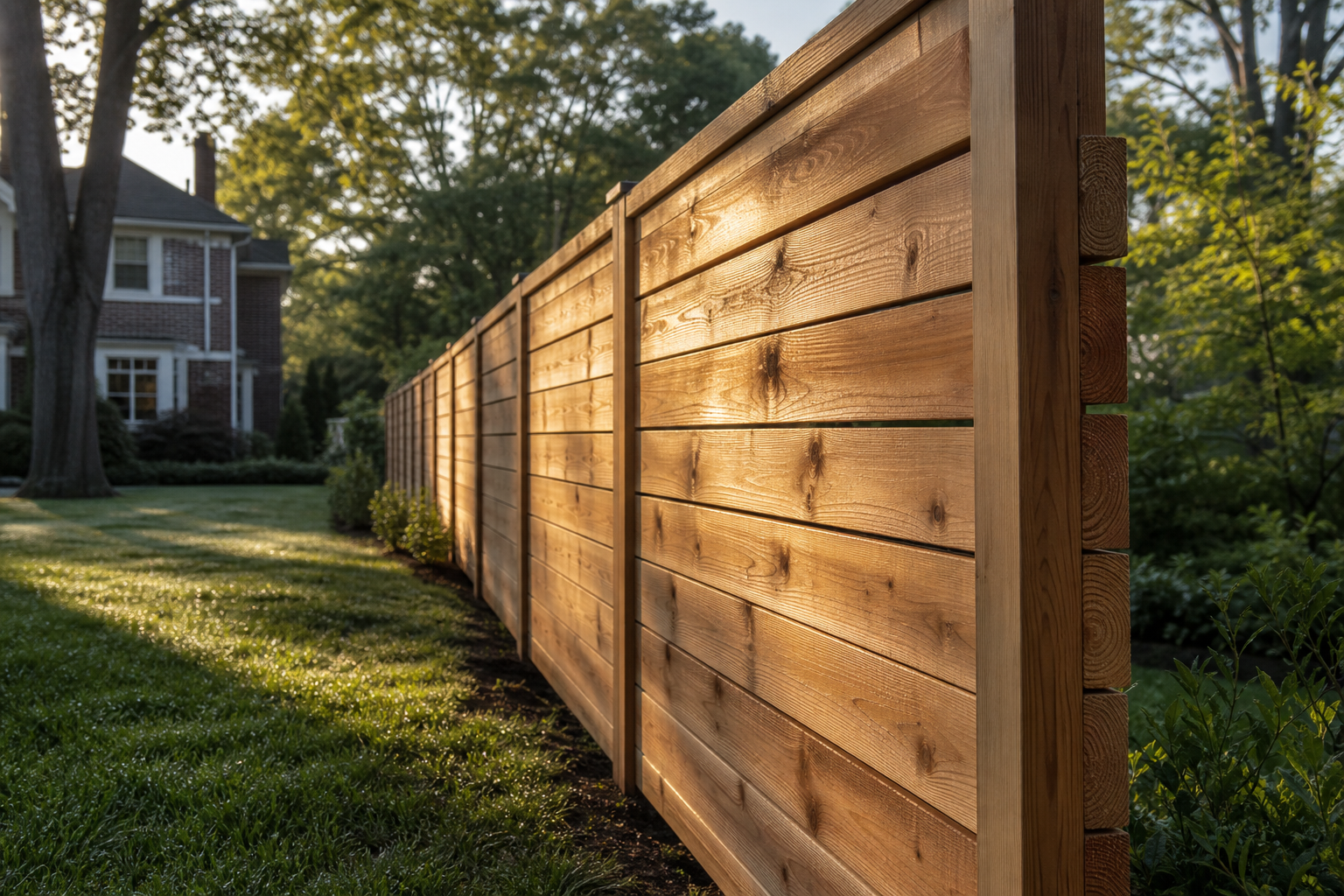
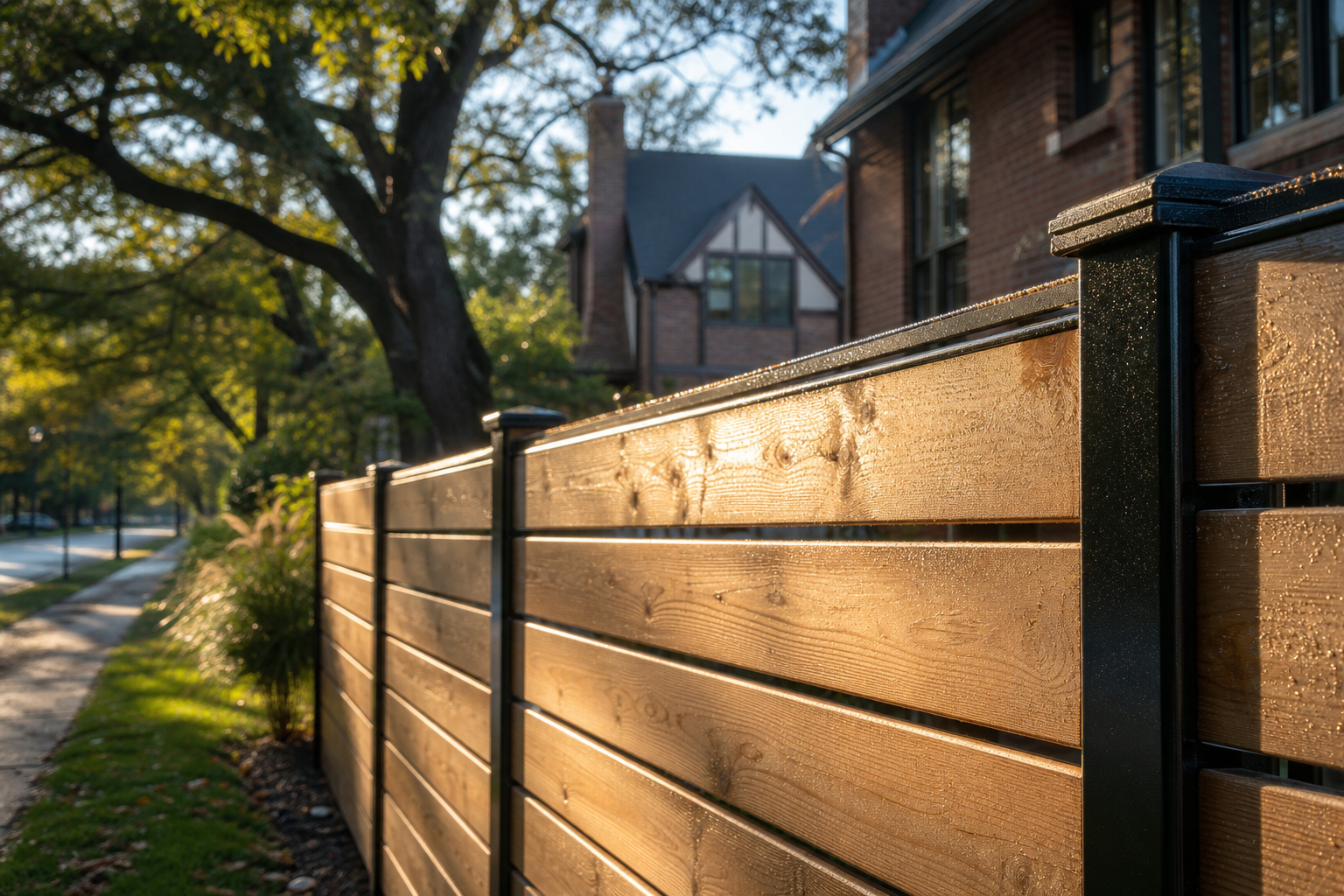
When a gate continues a fence line, the two have to read as one installation. Height, picket spacing, rail placement, and finish should carry across from the fence to the gate so the seam does not stand out, and the gate frame has to be built heavy enough to take the operator without looking bulky. That matching work is where a fence contractor in Wilmette, IL earns their value, since a gate built to a different standard than the fence it closes tends to show every gap and misalignment.
Gate Operators Added to an Existing Fence
A gate operator often can be added to a fence that is already standing, provided the posts, gate frame, and hinges can carry the load and the opening is square. The practical checks are whether the leaf weight falls inside the operator rating, whether there is room for the arm or the track, and whether power and a safe means of reversing can be routed to that location. Where the existing gate is undersized, replacing the gate and hardware usually proves more reliable than forcing an operator onto a frame that was never built for it.
Entry Control for Multi-Unit, Retail, and Light Industrial Properties
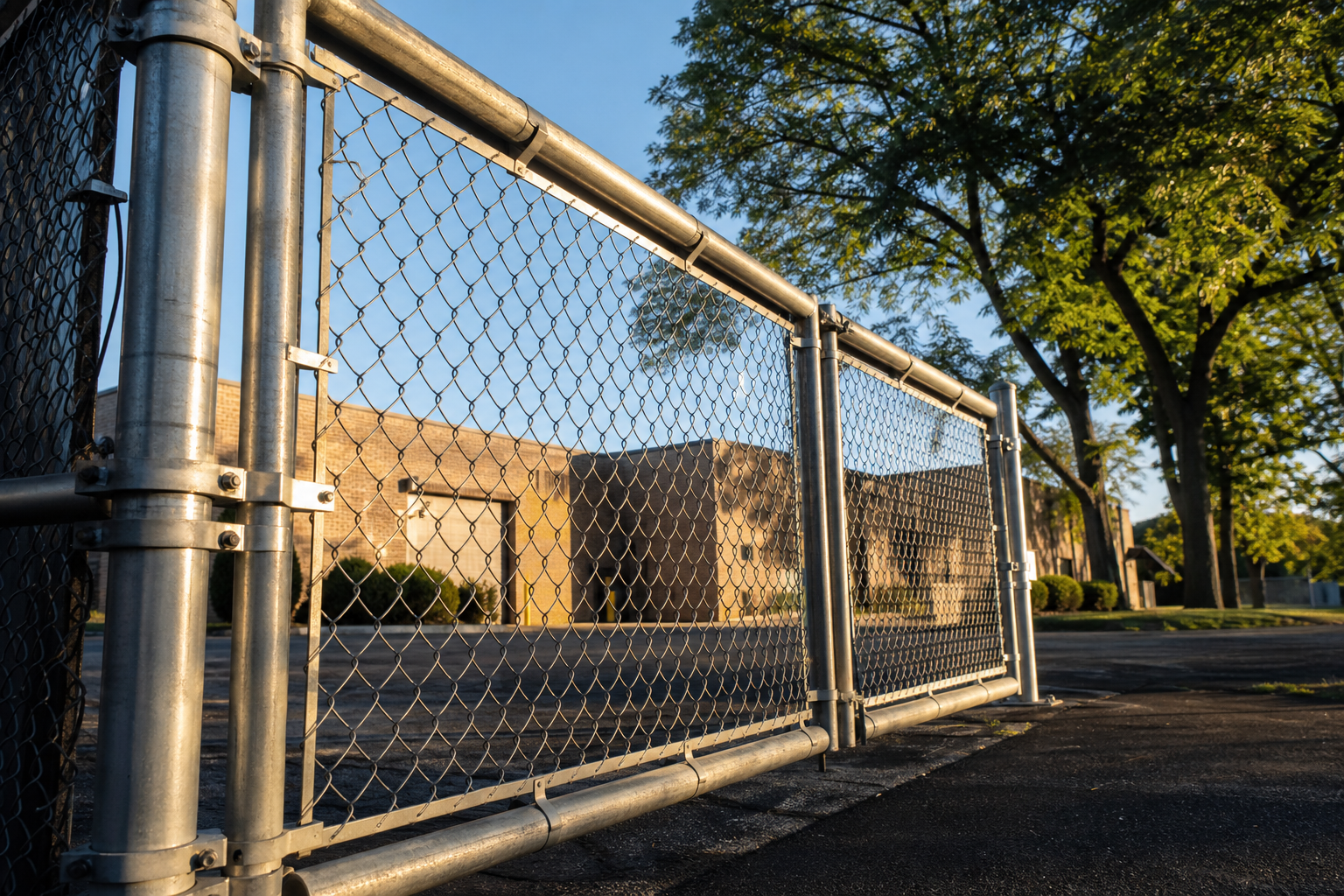
On the commercial side, the same components scale into a different job: managing who enters a parking area or service yard without a person standing at the entrance. Multi-unit properties may need a shared keypad or telephone entry for residents and guests, retailers may want the lot closed after hours and opened on a schedule, and light industrial sites may need a wide gate sized for truck traffic and an operator rated for constant cycles. Many sites pair that entrance with fence installation in Wilmette, IL along the property line so vehicles, pedestrians, and deliveries all funnel through one controlled point.
Planning an Entrance That Fits the Property
A gate that works well comes out of one visit spent on the details: where the driveway flares, how wide the opening has to be, how the operator will be powered, which access method fits the people who use it, and whether the gate will match an existing fence or start a new run. That planning step separates a gate used every day from one that ends up propped open. A fence company in Wilmette, IL that treats gates as part of the same perimeter — not a bolt-on — can line up the gate, the operator, and the surrounding fence so nothing has to be reworked later.
To move a gate project forward, call the residential line at +1 773-278-4762 for homes and multi-unit buildings, or the commercial and industrial line at +1 773-417-3107 for retail, light industrial, and larger entry-control work. Property type, gate location, approximate opening width, and how the entrance should be controlled are the details that narrow the options fastest. You can also send project details through the contact page.
 Skip to content