What Is The Best Oil Coating To Prevent Iron From Rusting?
Ironwork imparts strength, beauty, and a hint of timelessness to most projects, yet there is ever-present enemy number one: rust. Not only does rust ruin the appearance of iron—it undermines its strength, shortens its lifespan, and increases maintenance expenses. If you’re going to protect your investment, you should know what is the best oil coating to prevent iron from rusting and how to apply it.
Preserving iron isn’t just about slapping on a protective layer; it’s about choosing the right method that matches the material, the environment, and your expectations for longevity.
Before starting to read, you can read about the ADVANTAGES OF WROUGHT IRON FENCING
Why Does Iron Need Oil Coatings?
Iron is particularly prone to oxidation. The moment it comes into contact with moisture and oxygen, a chemical reaction starts to develop rust. Gradually, corrosion erodes the material, making it crumble, flake, and eventually fail.
So if you’re wondering what is the best oil coating to prevent iron from rusting, you’re already on the right track. Oil coatings work by creating a physical barrier that keeps moisture and oxygen away from the metal surface. Without these elements, the rusting process is dramatically slowed down, preserving the look and strength of your iron for years to come.
You can also read about What Is The Best Paint For Wrought Iron? or you can also can read about Why You NEED Powder Coating on Your Iron Fence—No Exceptions!
How Oil Coatings Protect Iron
Oil doesn’t just sit on the surface; it penetrates into the tiny pores of the metal. This deep penetration offers two big advantages:
- It locks out moisture.
- It prevents airborne oxygen from reacting with the iron.
By understanding how these coatings work, it’s simpler to understand why picking the right oil is so crucial. Choosing the incorrect one could lead to faster deterioration, while choosing sensibly might make your iron look like new for decades.
If you’ve been searching for answers about what is the best oil coating to prevent iron from rusting, knowing these basics is the first step to making the right choice.
Popular Oil Coating Options for Iron Preservation
There’s no one answer. Different oils provide different benefits depending on where you are, the type of finish you’re looking for, and how much protection you require. Following is a closer look at some of the best today:
Boiled Linseed Oil: A Classic Choice
Boiled linseed oil has been a go-to for centuries because it’s natural, easy to apply, and affordable. It seeps into the iron and hardens slightly over time, creating a breathable yet protective coating.
Used properly, boiled linseed oil gives the iron an ‘vintage’ appearance with a warm, muted ‘amber’ tone. It’s great for maintaining a raw, ‘weathered’ finish without camouflaging the natural texture of the metal.
However, it does require regular maintenance—reapplying once or twice a year depending on the exposure level is ideal.
Tung Oil: Superior Water Resistance
For even better protection against water, tung oil could be the solution. Tung oil, which is obtained from tung tree seeds, is more resistant to water and harder than linseed oil.
It takes longer to dry, but when it cures, tung oil gives your iron a beautiful matte finish that will keep it safe from damage even in hotter or outdoor conditions. If durability is your primary concern and you’re still pondering what the best oil coat is to prevent iron from rusting, then tung oil is definitely a favorite to try out.
Modern Synthetic Oils: Built for Extremes
For those who desire industrial-strength protection, synthetic rust-preventing oils like Fluid Film or WD-40 Specialist deliver better performance. These oils are designed to stand up to extreme weather, severe temperature extremes, and heavy usage.
Synthetics have additives that chemically bond to the metal surface, creating an even stronger barrier compared to natural oils. They are ideal for outbuildings, fences, gates, and other elements that need to be highly protected with very little maintenance.
In high-exposure environments, using synthetic oils might be the most practical answer to what is the best oil coating to prevent iron from rusting.
Preparing Your Iron for an Oil Coating
Before you even open a can of oil, preparation is key. Oil coatings work best when the iron surface is clean, dry, and free of contaminants.
First, scrub away any dirt, grime, or old coatings using a wire brush or sandpaper. If there’s existing rust, remove it completely. Light rust can be tackled with steel wool, but heavier corrosion might require a rust remover or even sandblasting for best results.
After cleaning, make sure the surface is bone dry. Even a little moisture trapped under the oil can cause rust to form underneath your coating, defeating the entire purpose.
Taking the time to properly prepare your iron is absolutely critical if you want your oil coating to be effective and long-lasting.
How to Apply Oil Coatings Correctly
It isn’t hard to apply, though:
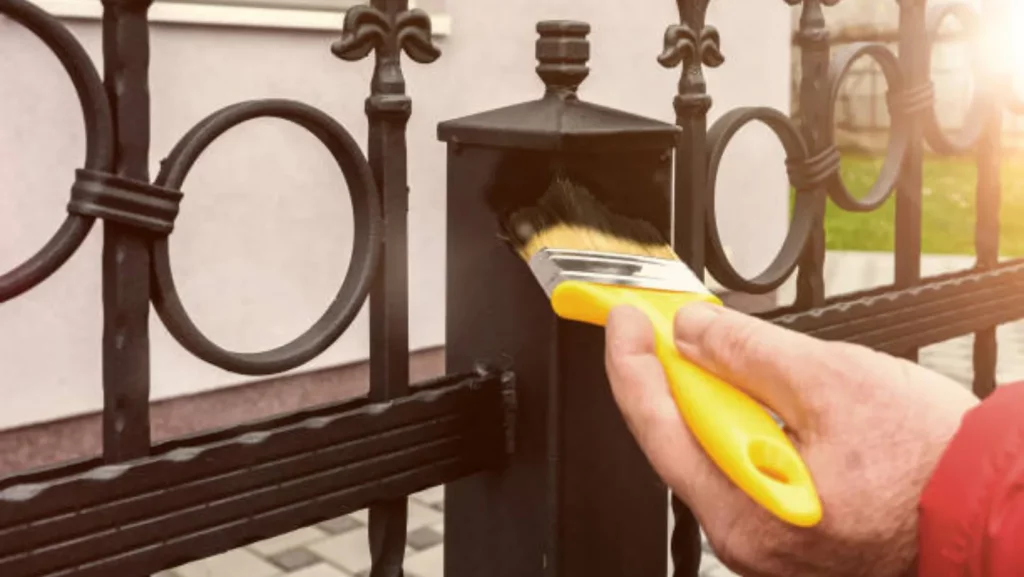
- Use the oil generously with a soft cloth, brush, or sponge.
- Work it well down into all of the nooks and crannies.
- Let the first coat penetrate and thoroughly dry.
- Wipe away excess to keep from having a sticky surface.
- Apply thin layers in numerous layers rather than a single, heavy layer.
Patience is key. Rushing through application or skipping drying times will cause premature failure of the finish. By doing it this way, you give your iron the best chance to resist rust for the long term.
Learning what is the best oil coating to prevent iron from rusting is only half the battle—correct application is what truly seals the deal.
How Frequently Should You Reapply the Oil?
Even the finest oil finishes require maintenance. How often you need to reapply is a function of many factors:
- Indoor projects: Once a year is usually sufficient.
- Outdoor features: Every 6–12 months depending on weather.
- Harsh conditions (coastal, snowy): Inspect quarterly and recoat as needed.
Inspecting your ironwork on a regular basis will enable you to spot early warning signs of wear, so you can re-coat before rust has a chance to establish itself.
Common Mistakes to Avoid
Even experienced DIYers can get caught out by simple pitfalls that reduce the effectiveness of their oil coatings:
- Forgetting to prepare the surface
- Acing oil on live rust
- Trying to apply too much oil at once
- Failing to recoat regularly
Avoiding these pitfalls will allow you to get the best from whatever oil you choose.
Finding the Best Protection for Your Ironwork
If you’ve got this far, you already understand why it’s so important to be mindful of what is the best oil coating to prevent rusting iron. Whichever oil you opt to use – boiled linseed oil, tung oil, or a more modern synthetic version – the key is preparation, careful application, and continuing maintenance.
If you are willing to invest a few moments extra for properly protecting your iron, then you can avail the beauty, toughness, and efficiency of it for years.
Choosing the right coating of oil isn’t just about keeping metal in one piece—it’s about keeping your investment and expertise ahead of nature’s constant barrage.
Now that you have an idea of the best coating oil to use when rustproofing iron, it’s now time to implement what you have read and provide your iron work with the dignity it deserves.
Protect Your Ironwork Investment with Expert Care
Choosing the right oil coating is only the first step in safeguarding your iron structures from the damaging effects of rust. But true, long-lasting protection also comes from partnering with professionals who understand the unique needs of ironwork and how to preserve it beautifully over time.
If you’re looking for a trusted chicago iron fence contractor who not only installs but also advises on the best maintenance practices, it’s essential to choose a team that’s dedicated to craftsmanship and longevity. Working with knowledgeable fence contractors near chicago ensures that every iron gate, fence, or decorative feature remains strong, visually stunning, and resilient against the elements for decades.
Don’t let rust steal the beauty and strength of your ironwork. With expert advice, quality materials, and proper oil coating, your iron investment will continue to enhance your property with elegance and durability. Trust skilled professionals who know exactly how to protect and extend the life of your iron creations.
iron fencing chicago, wrought iron fence Schaumburg IL, wrought iron fences Franklin Park, Addison wrought iron fence, iron fence company in Elgin, iron fence Evanston IL, wrought iron fencing Melrose Park, iron fence company Bensenville IL, iron fence Oak Park, iron fence companies in Skokie, wrought iron fence repair Schiller Park, Broadview iron fence contractor